Optimizing High-Torque Spindle Parameters to Enhance Precision and Productivity of Shoe Last CNC Milling Machines
05 02,2026
Tutorial Guide
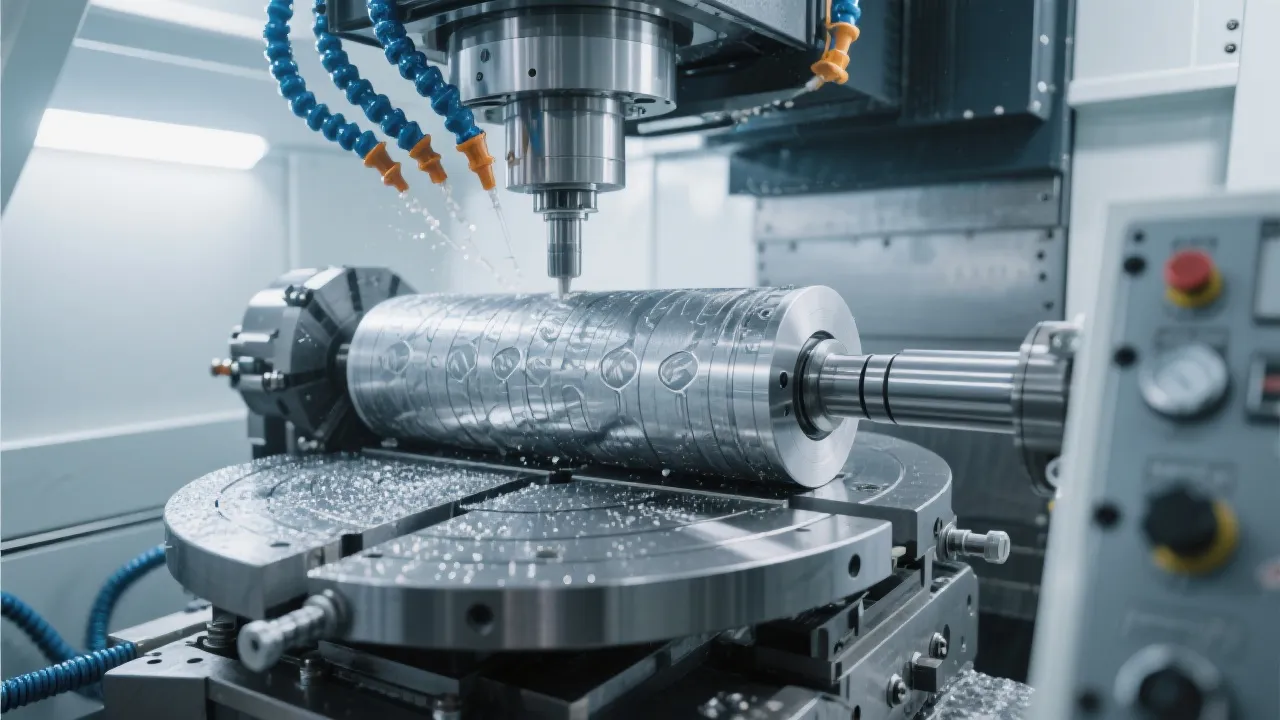
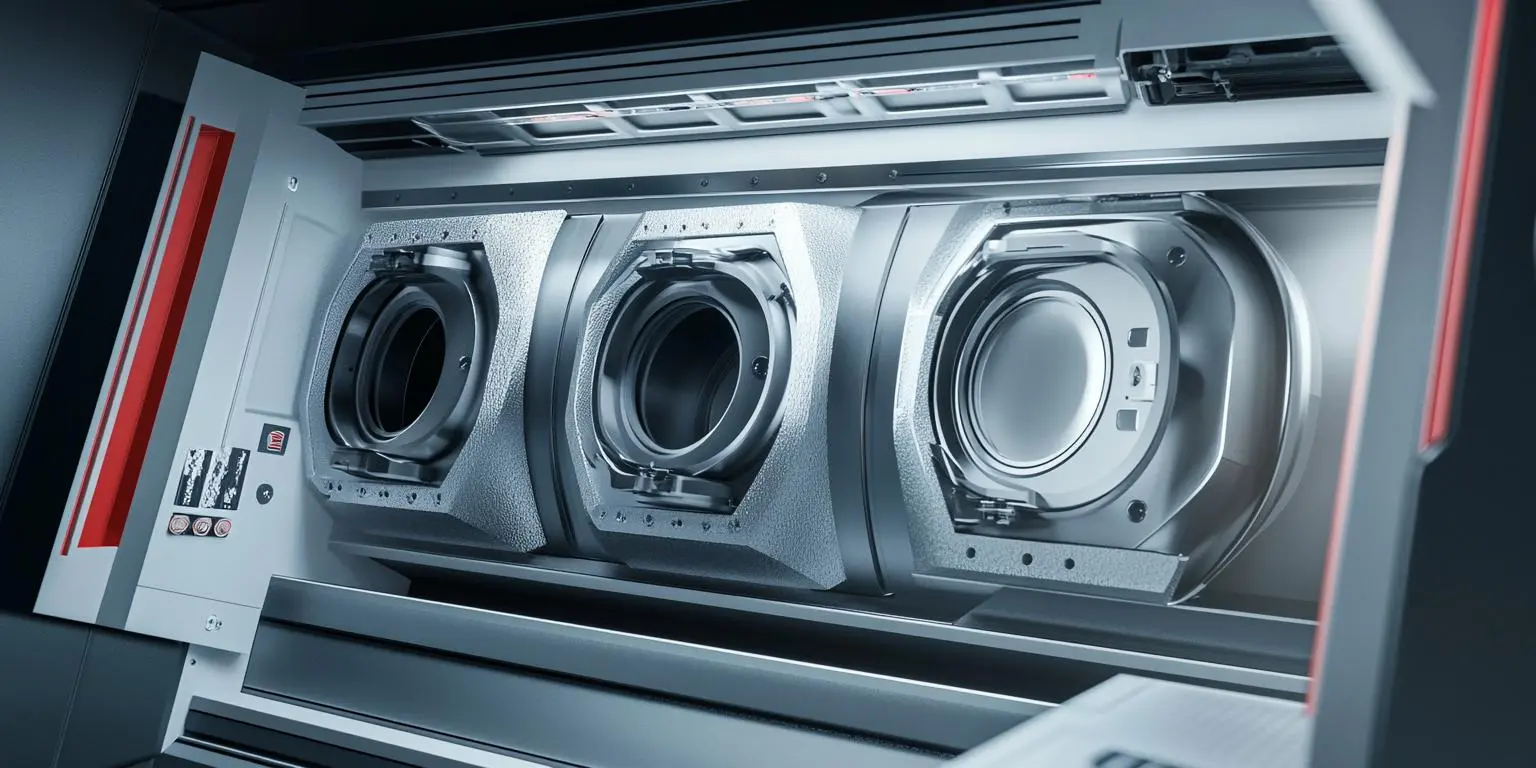
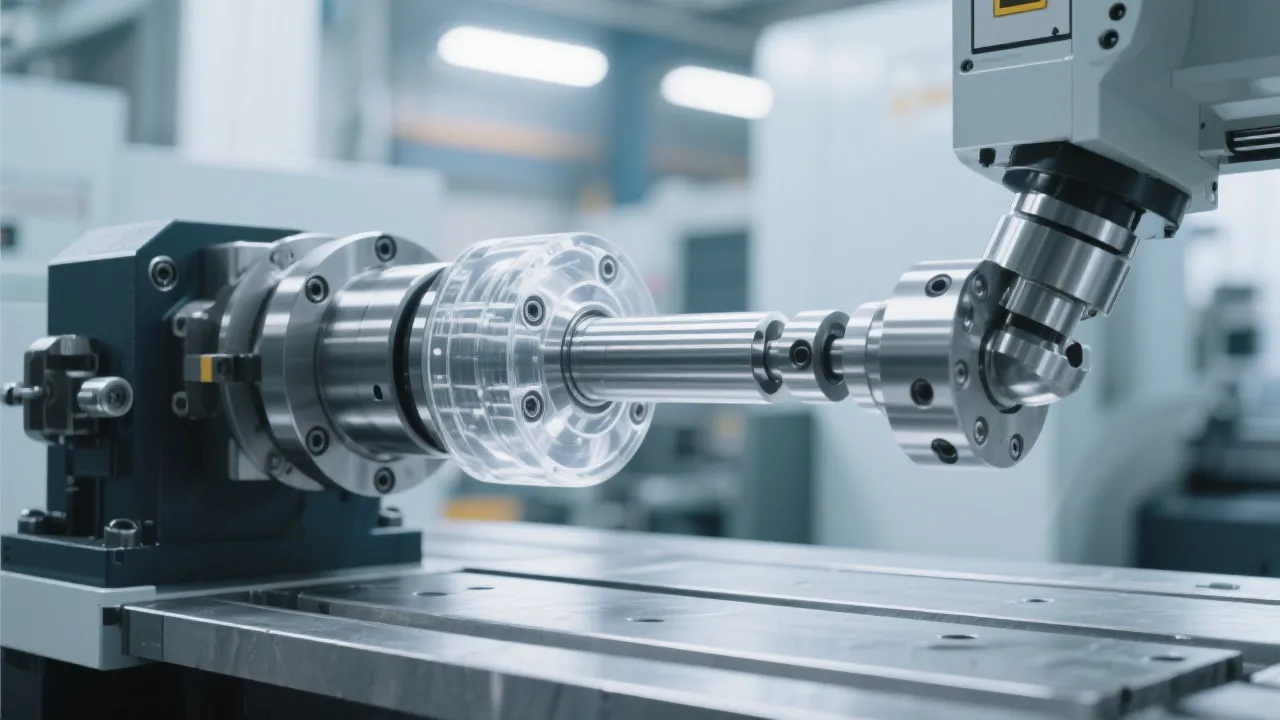
Discover how adjusting high-torque spindle parameters can significantly improve the machining accuracy and output of shoe last CNC milling machines. This guide delves into the essential role of high-torque electric spindles within the DC6070 five-axis CNC mill, breaking down structural principles and practical tuning methods. Learn the best practices for matching spindle speed, feed rate, and load to boost production efficiency by over 30% while minimizing equipment wear. Real-world case studies demonstrate effective parameter optimization strategies, empowering technicians and operators to elevate both precision and capacity sustainably.
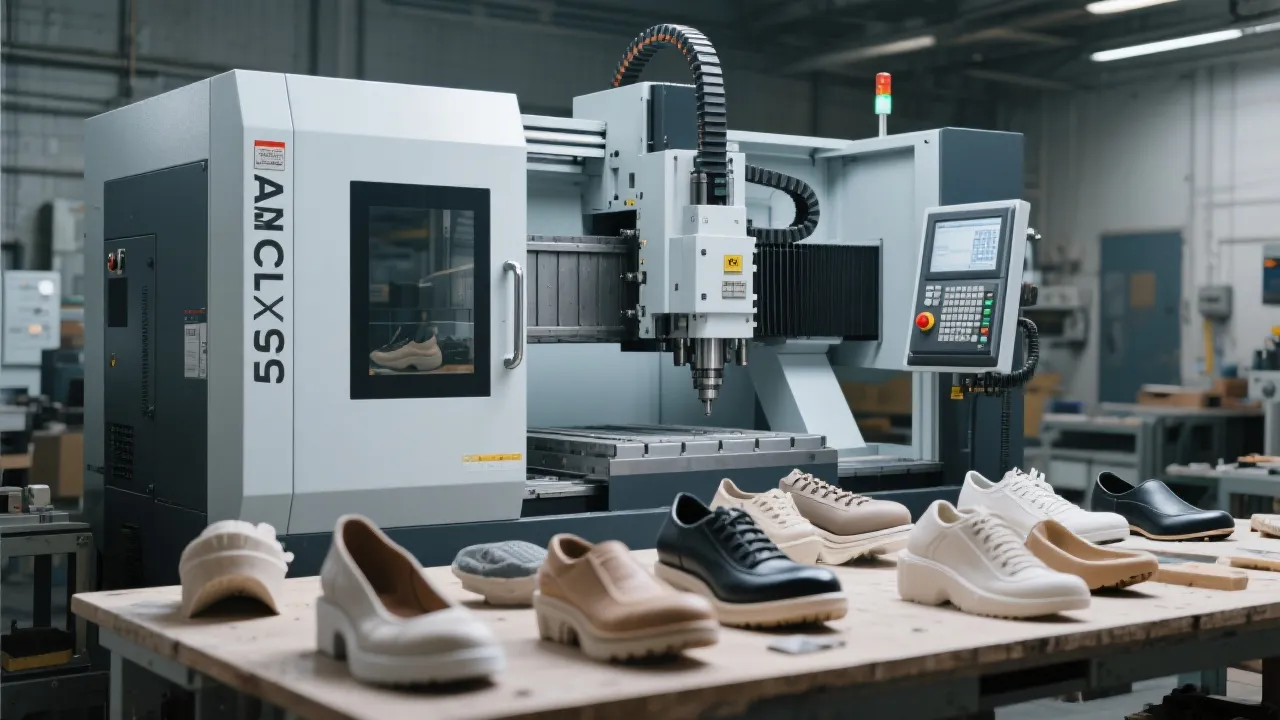
Harnessing High-Torque Electric Spindle Parameters to Boost Shoe Last CNC Milling Precision and Productivity
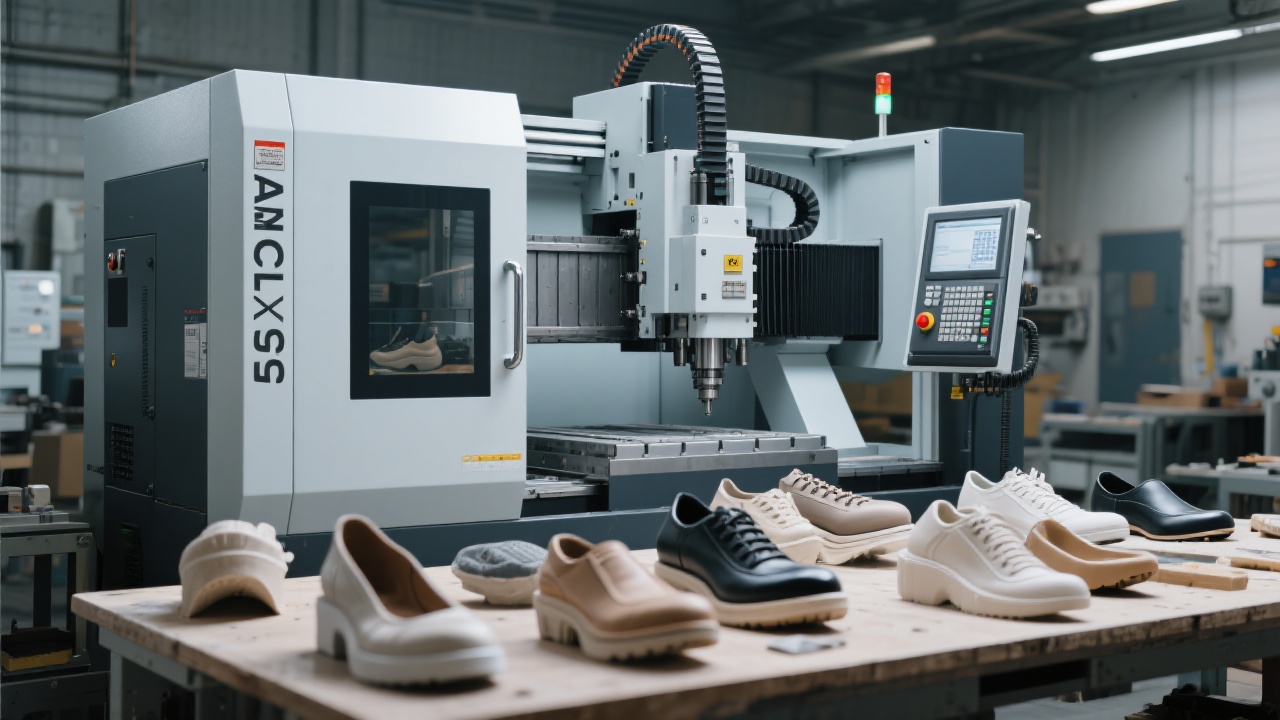
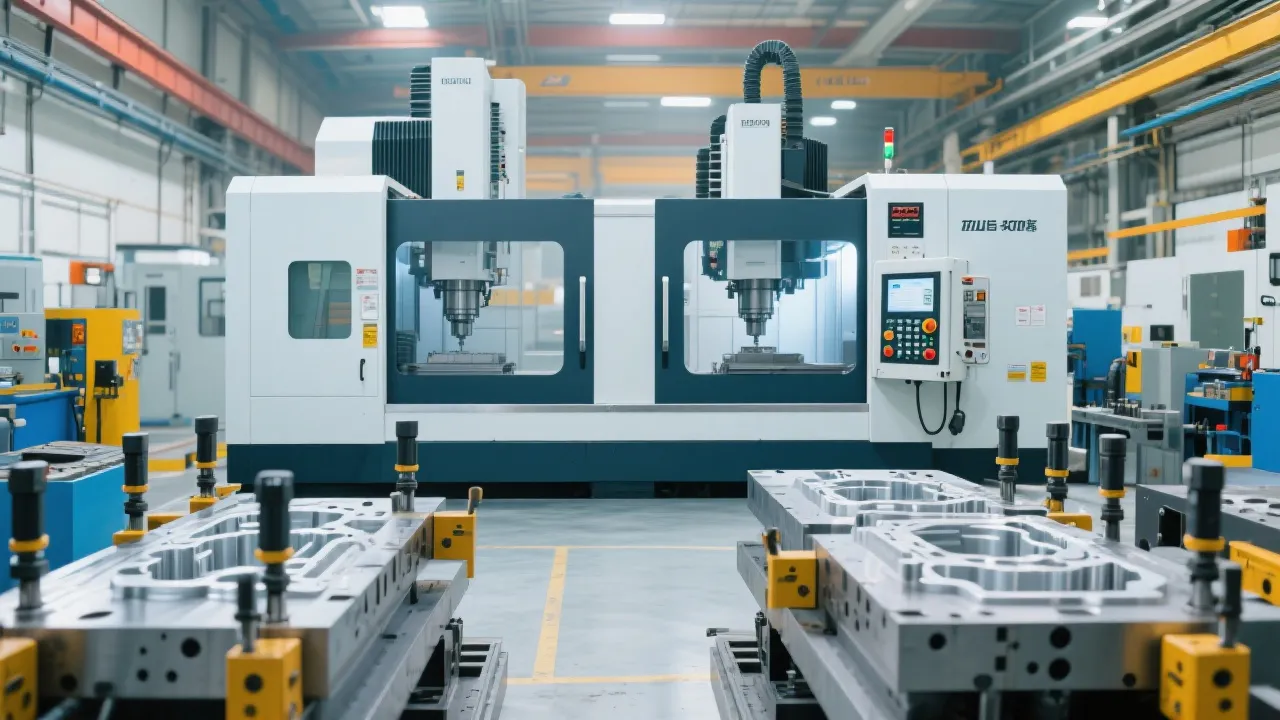
If you operate or engineer DC6070 five-axis shoe last CNC milling machines, you already understand how pivotal the electric spindle is to your machining outcomes. However, mastering the intricacies of high-torque electric spindle parameter settings can be the difference between mediocre output and maximized precision with heightened throughput. This guide unwraps the core principles, tactical parameter adjustments, and maintenance essentials that will empower you to elevate machining accuracy, enhance productivity by over 30%, and extend equipment life — all while reducing costly downtime.
Why High-Torque Electric Spindles Outperform Regular Spindles in Shoe Last Milling
Compared to standard electric spindles, high-torque variants used in shoe last milling excel in several technical dimensions:
- Thermal Stability: High-torque spindles maintain consistent temperature under heavy loads, reducing thermal deformation that compromises machining precision.
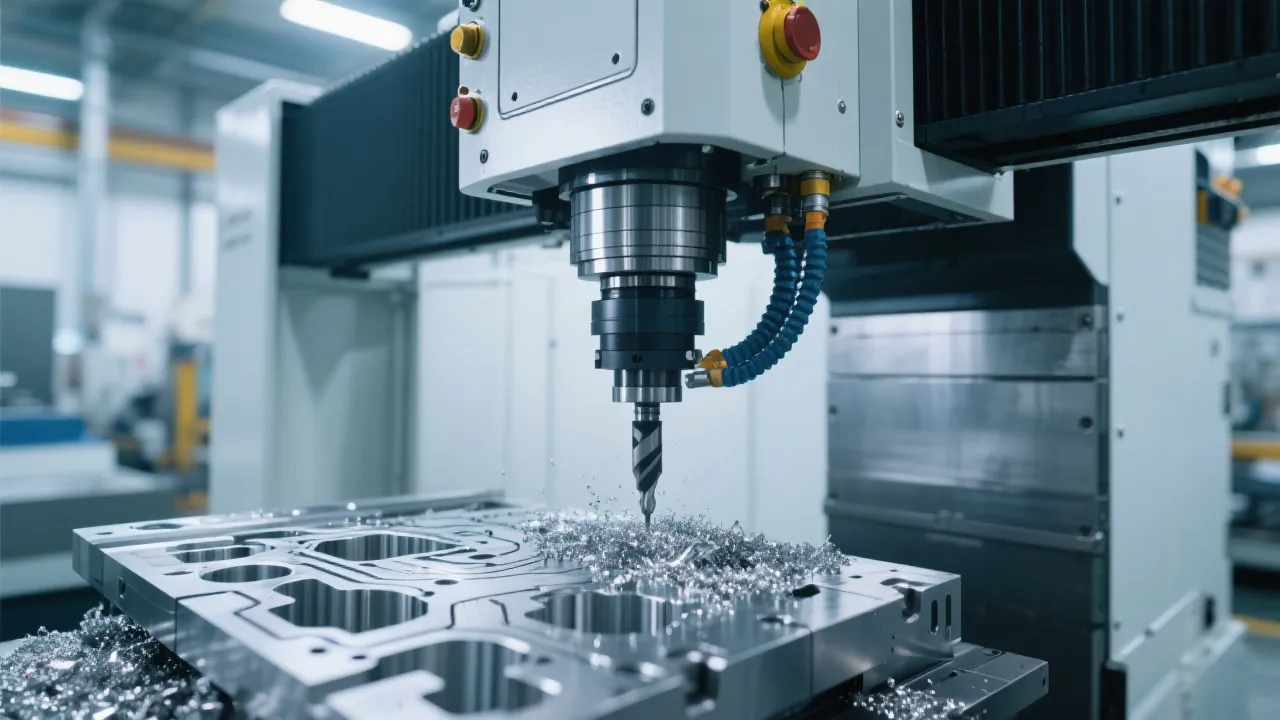
- Load Resistance: These spindles can sustain greater cutting forces, essential for deep-slot milling and complex curved surface engraving typical in shoe lasts.
- Speed Consistency: Even at low RPMs, high-torque spindles avoid torque dips, ensuring smooth, vibration-free cuts.
- Extended Durability: Designed with enhanced bearings and cooling systems for prolonged operational lifespan.
This combination of robustness and precision translates into stable machining conditions that prevent surface defects and machining errors — directly impacting final product quality.
Parameter Adjustment Strategies: Achieving the Perfect Balance of Speed, Feed, and Load
Optimizing spindle parameters is less about single-value settings and more about harmonious coordination to reduce wear while maximizing efficiency. Follow these key tactics:
| Parameter |
Recommended Setting Range |
Impact on Performance |
| Spindle Speed (RPM) |
3000 – 6000 |
Maintains torque at required cutting depth; prevents chatter. |
| Feed Rate (mm/min) |
500 – 1500 |
Optimizes material removal rate and surface finish quality. |
| Torque Load (%) |
70% – 85% |
Maintains spindle within optimal power envelope, minimizing wear. |
| Cooling System Intensity |
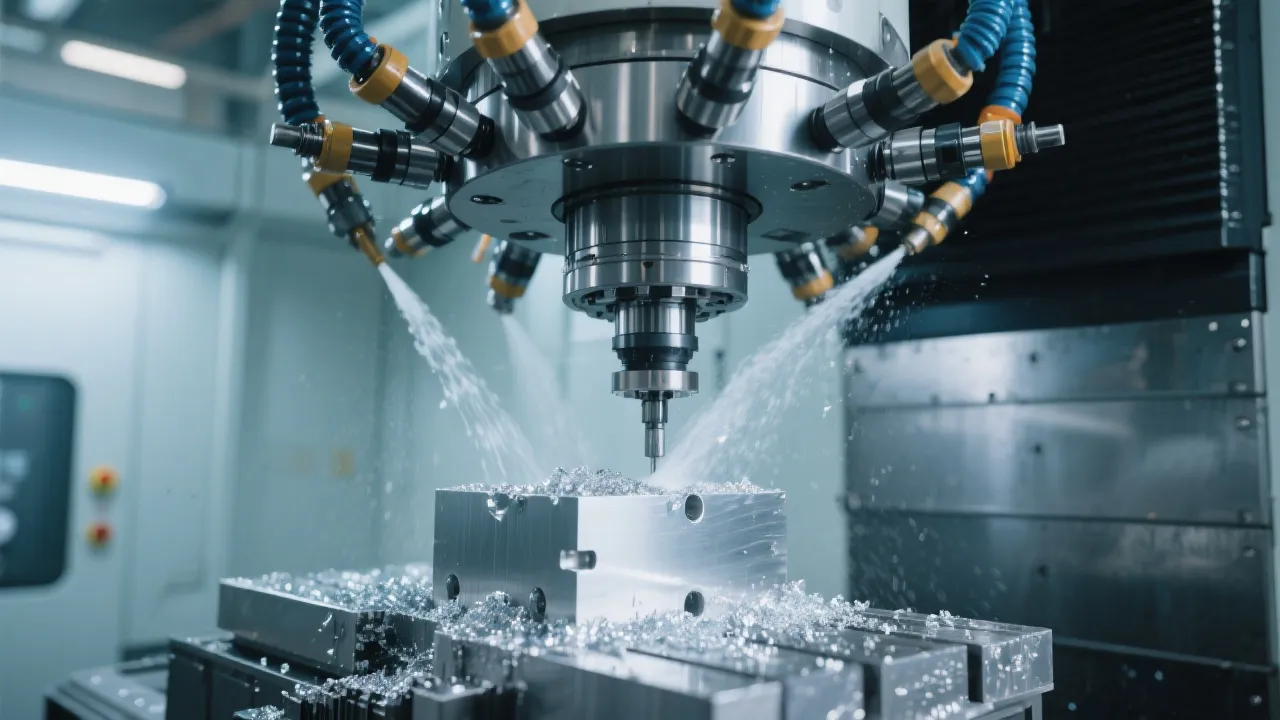
Continuous optimized coolant flow |
Prevents overheating, improves thermal stability, prolongs spindle life. |
Pro Tip: Always measure real-time spindle load and temperature during the first runs after parameter changes to confirm they stay within safe thresholds.
Why Complex Surfaces Demand High-Torque Support
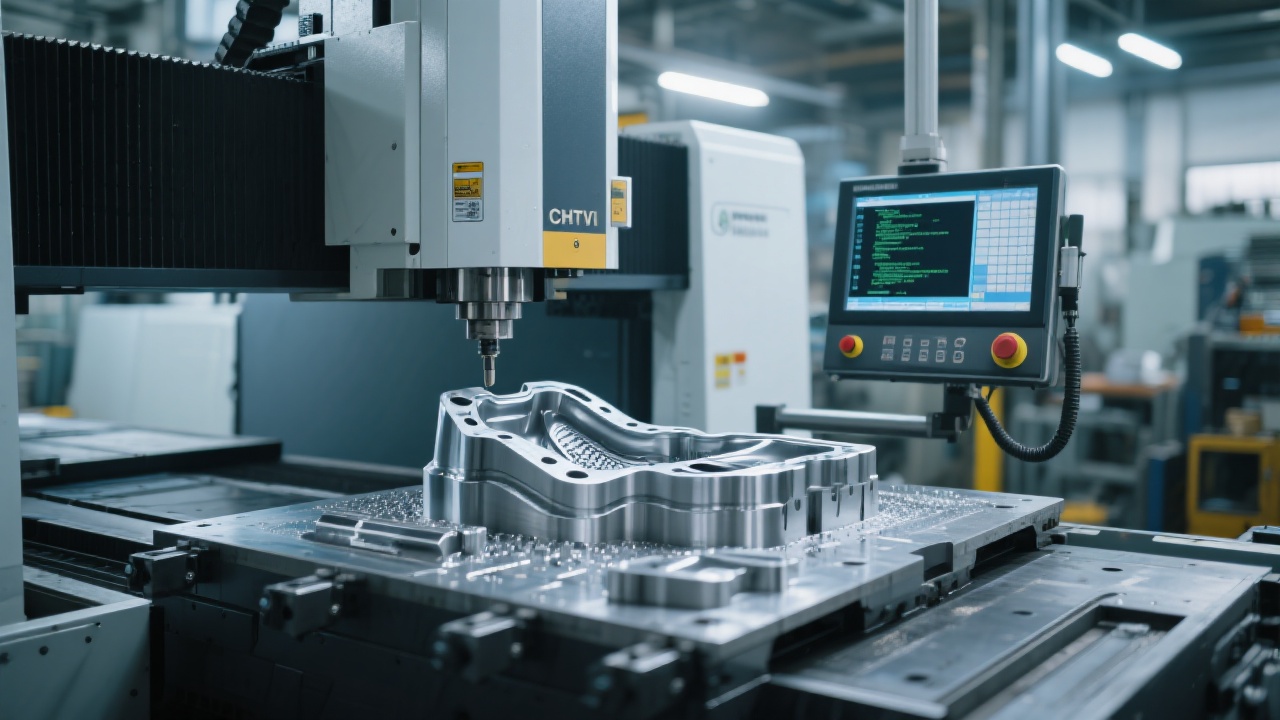
Shoe lasts present challenging milling profiles: intricate curves paired with deep grooves require both steady torque and precision control. Regular spindles tend to lose torque during low-speed, high-force passes needed for these features, resulting in tool marks, dimensional inaccuracies, or surface roughness.
High-torque spindles maintain consistent force output across RPMs — enabling:
- Smooth cutting of deep notches without vibration-induced defects.
- Uniform surface finish on complex contours.
- Reduced risk of tool damage, lowering unplanned downtime.
This capability allows manufacturers to confidently ramp up feed rates and spindle speeds without compromising quality.
Real-World Success: Boosting Productivity by 25% with Optimized Parameters
A leading shoe manufacturer recently implemented our recommended parameter protocol on their DC6070 five-axis CNC shoelast mill. Key outcomes within three months included:
- Average productivity increase of 25% per day per machine
- Reduction of tool wear rates by 18%, lowering tooling costs
- Spindle operating temperatures stabilized within 5°C variance, extending operational lifespan
- Significant drop in unplanned maintenance downtime — from 12 hours/month to under 5 hours
These improvements not only amplified throughput but also enhanced product consistency, critical in the competitive footwear market.
Maintaining Peak Performance: Daily Practices to Extend Spindle Life
Beyond setup, spindle longevity depends largely on consistent maintenance:
- Daily Cleaning: Remove dust and debris around the spindle housing to prevent overheating and contamination.
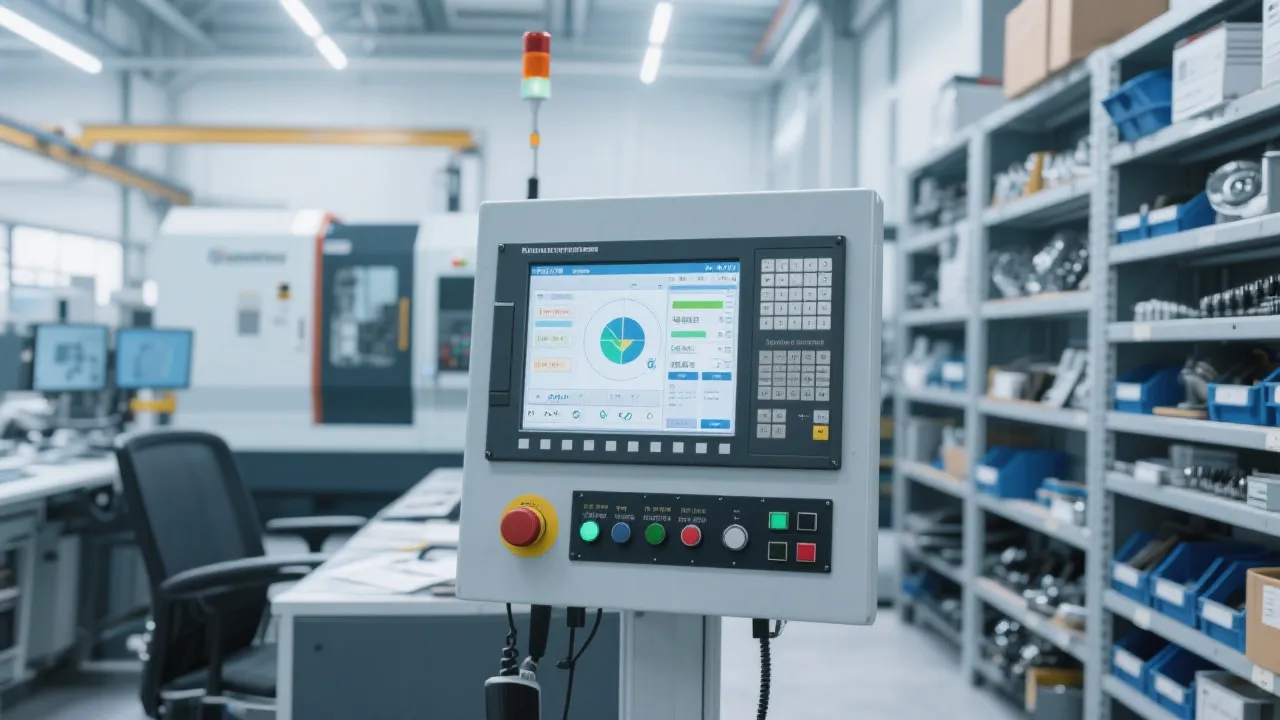
- Parameter Audits: Weekly review of spindle speed, torque load, and coolant flow to detect drift.
- Lubrication: Check and replenish bearings lubrication according to manufacturer’s guidelines.
- Coolant System Inspection: Ensure coolant pumps and nozzles remain unobstructed and maintain optimal flow rates.
- Vibration Monitoring: Use vibration sensors to catch early signs of spindle imbalance or bearing wear.
Integrating these routines can reduce spindle-related failures by up to 40%, yielding fewer production stoppages and steady product quality.