
In the realm of iron mold heavy - cutting machining, the choice of machine tools significantly impacts the quality and efficiency of production. This article delves into the performance comparison between traditional vertical machine tools and bridge - type double - column CNC milling machines, aiming to provide valuable insights for manufacturers in the high - end iron mold manufacturing industry.
Iron mold machining often encounters issues such as vibration and precision deviation. These problems can lead to reduced machining accuracy and poor surface quality, which are major pain points in the manufacturing process. For example, in the heavy - cutting of large iron castings, the vibration generated during machining can cause the tool to deviate from the intended path, resulting in dimensional errors of up to 0.05mm or more.
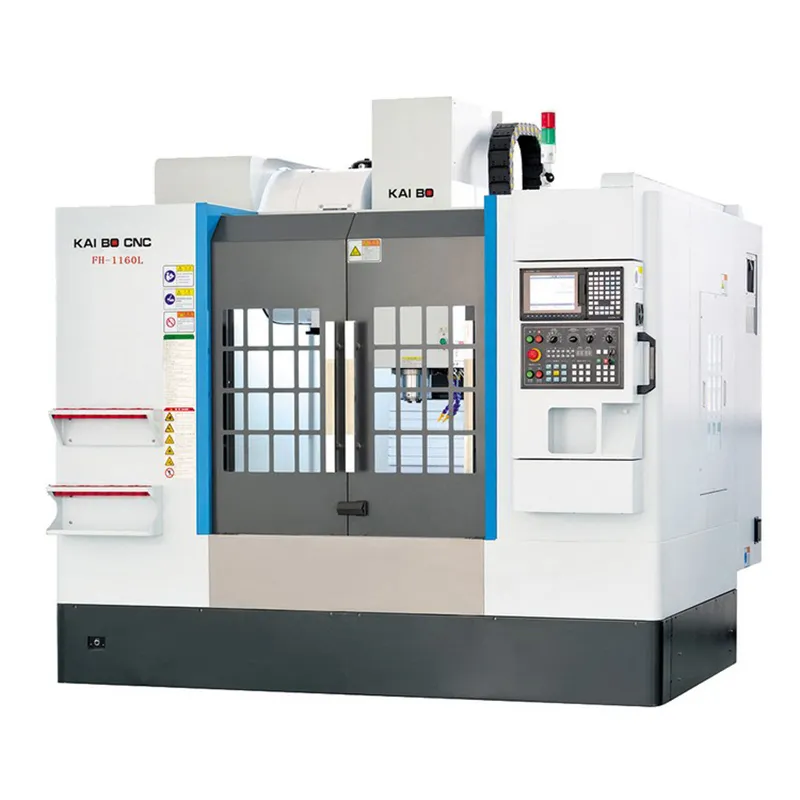
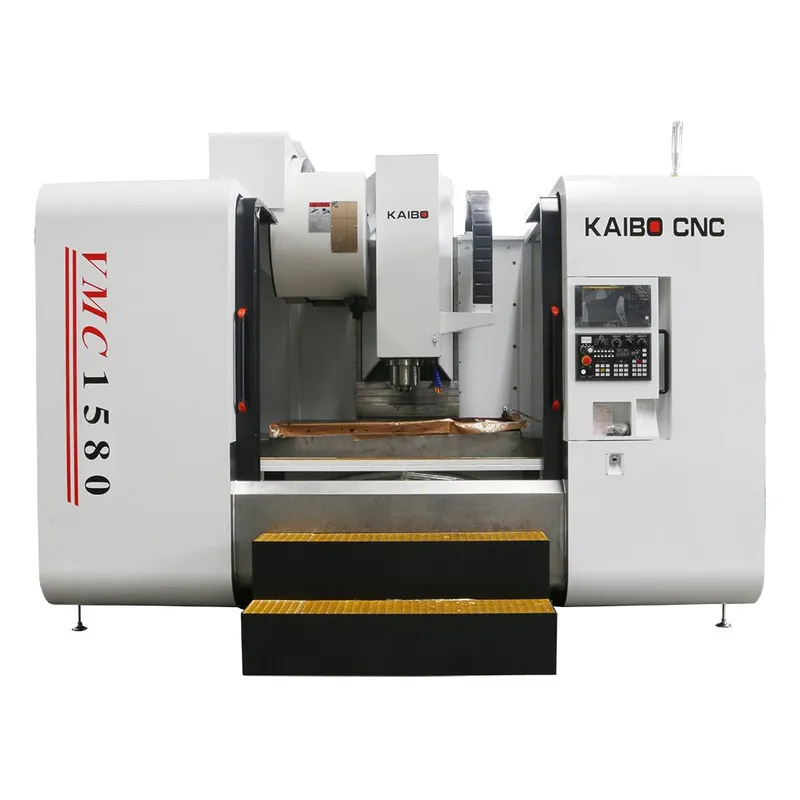
Traditional vertical and gantry - type machine tools have inherent limitations in terms of rigidity. Their structural design allows for significant vibration transmission during the machining process. The lack of a stable structure makes them prone to vibration under heavy - cutting conditions. For instance, in a traditional vertical machine tool, the movable parts can transfer vibration to the entire machine body, reducing the overall stability and machining accuracy.
The moving bridge - type double - column structure is a revolutionary design in the field of machine tools. By fixing the cross - beam and the workbench, it greatly enhances the dynamic rigidity and stability of the machine tool. This is similar to the seismic - resistant design of a building. Just as a well - designed building can withstand strong earthquakes, the moving bridge - type double - column structure can effectively resist the vibration generated during heavy - cutting.
Engineers on the site have observed that in the machining of mold inserts, the moving bridge - type double - column structure can reduce vibration by up to 70% compared to traditional structures. This reduction in vibration significantly improves the surface quality of the iron mold, with the surface roughness Ra value reaching as low as 0.8μm, which is much better than the 1.6μm achieved by traditional machine tools.
In practical iron mold manufacturing scenarios, such as the heavy - cutting milling of mold inserts and large iron castings, the moving bridge - type double - column structure shows remarkable advantages. In the machining of a large - scale iron mold with complex contours, the moving bridge - type double - column structure can complete the machining task in 30% less time compared to traditional machine tools, while also improving the machining accuracy by 20%.
To ensure the long - term stable operation of the machine tool, proper maintenance is essential. Regular lubrication of the guide rails can reduce friction and wear, extending the service life of the machine tool. Controlling the thermal balance of the machine tool can prevent deformation caused by temperature changes. In addition, regular calibration of the machine tool can ensure its accuracy. For example, calibrating the machine tool every three months can maintain the machining accuracy within 0.02mm.
When it comes to high - end iron mold manufacturing, choosing the right machine tool is crucial. The Kaibo CNC DC1113, with its moving bridge - type double - column structure, offers an efficient and stable solution for iron mold machining. By choosing the Kaibo CNC DC1113, manufacturers can expect improved production efficiency, enhanced product quality, and long - term reliable operation of their equipment.
Choose Kaibo CNC DC1113 for High - Quality Iron Mold Machining

 <#else>





