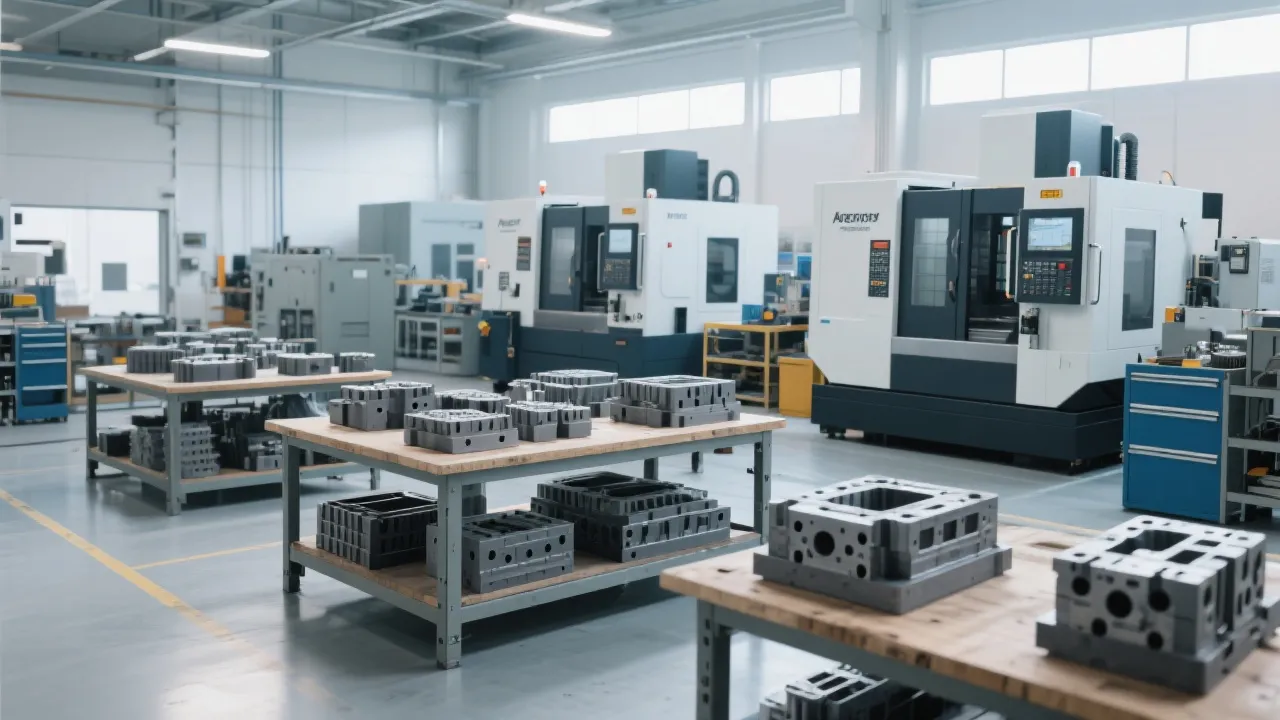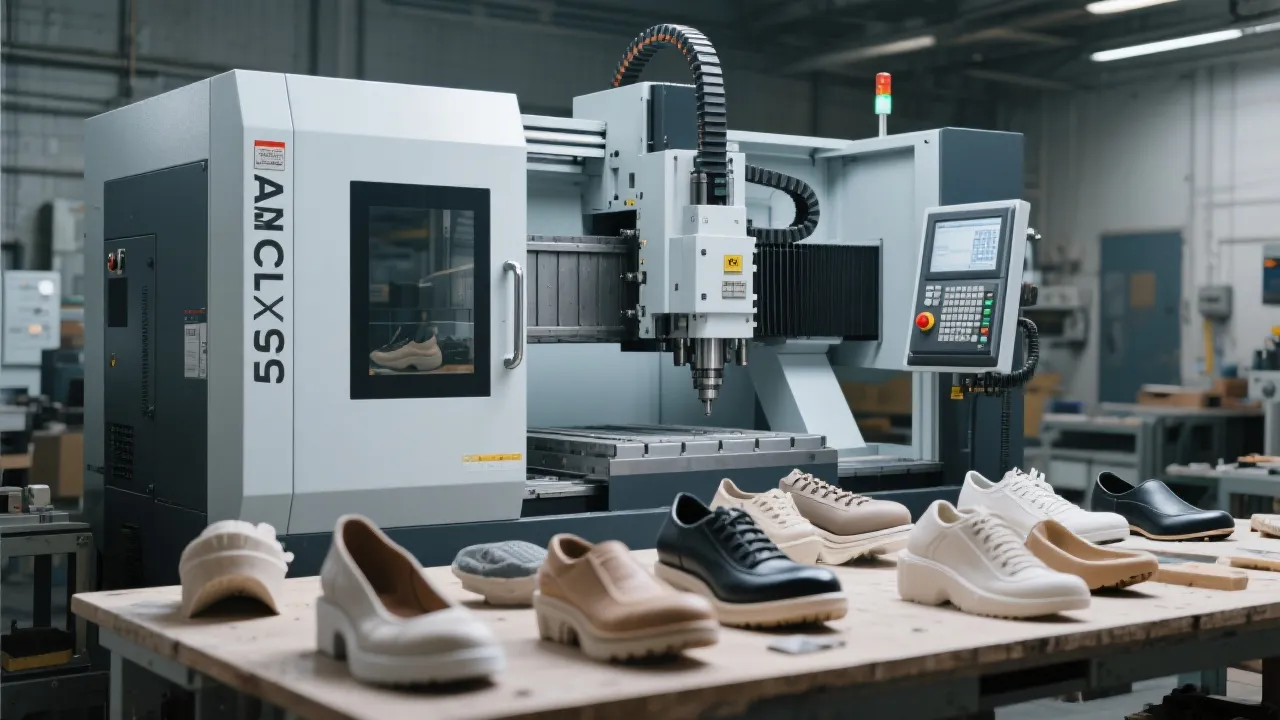
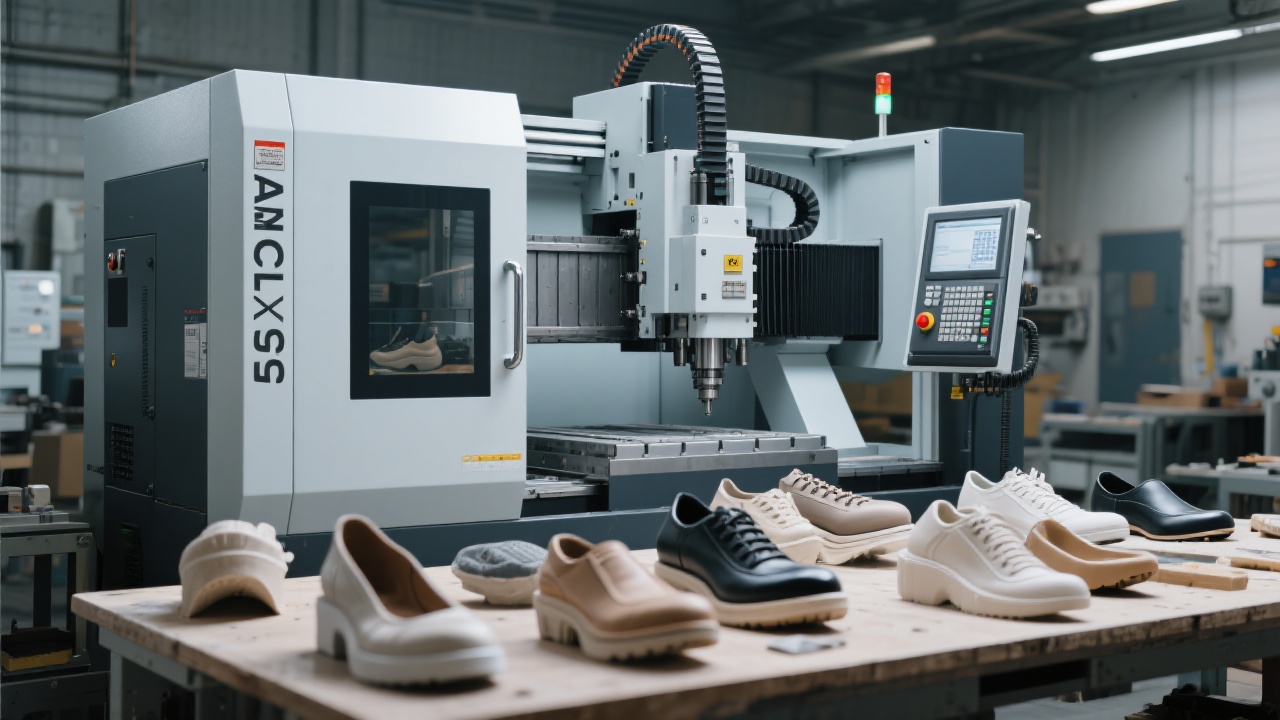
In the competitive shoe mold manufacturing industry, precision and efficiency remain pivotal for sustaining profitability and meeting demanding client specifications. Traditional milling machines often struggle with repeatability and slow setups, resulting in increased production times and compromised product quality. The advanced DC6070 Five-Axis CNC Milling Machine by Ningbo Kaibo CNC Machinery Co., Ltd. leverages an integrated rotary table to revolutionize this process, dramatically reducing clamping frequency while elevating machining accuracy.
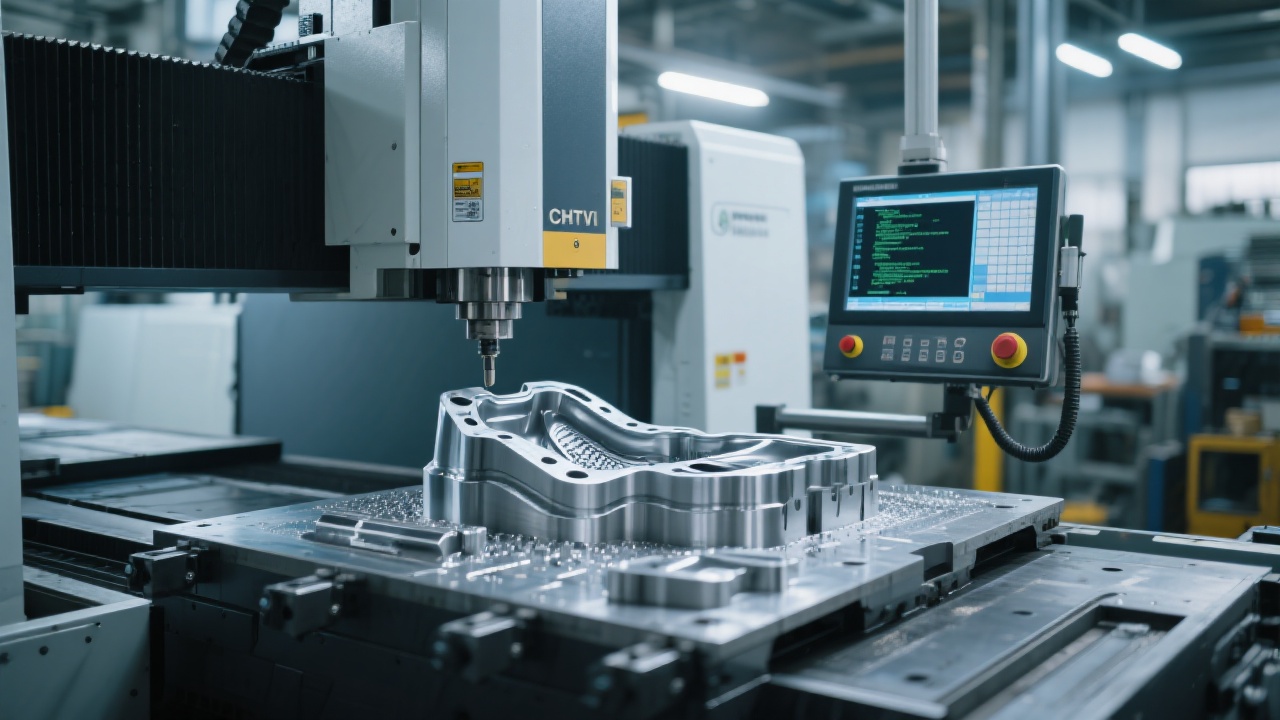
Shoe mold manufacturing involves complex geometries that require machining from multiple angles. Traditional 3-axis machines necessitate frequent reclamping, increasing human error and setup times. This not only delays production but also risks dimensional inconsistencies. The DC6070's rotary worktable integrates a fifth axis of motion, enabling continuous multi-directional machining without removing the workpiece. This significantly reduces setup times by up to 50% while improving geometric accuracy by an estimated 30%, based on Kaibo’s internal testing data.
Furthermore, the rotary table boasts high rigidity and precision positioning capabilities—crucial for maintaining surface finish and dimensional tolerances in shoe last molds. This optimized workholding system streamlines operations, enabling manufacturers to meet tight deadlines without compromising quality.
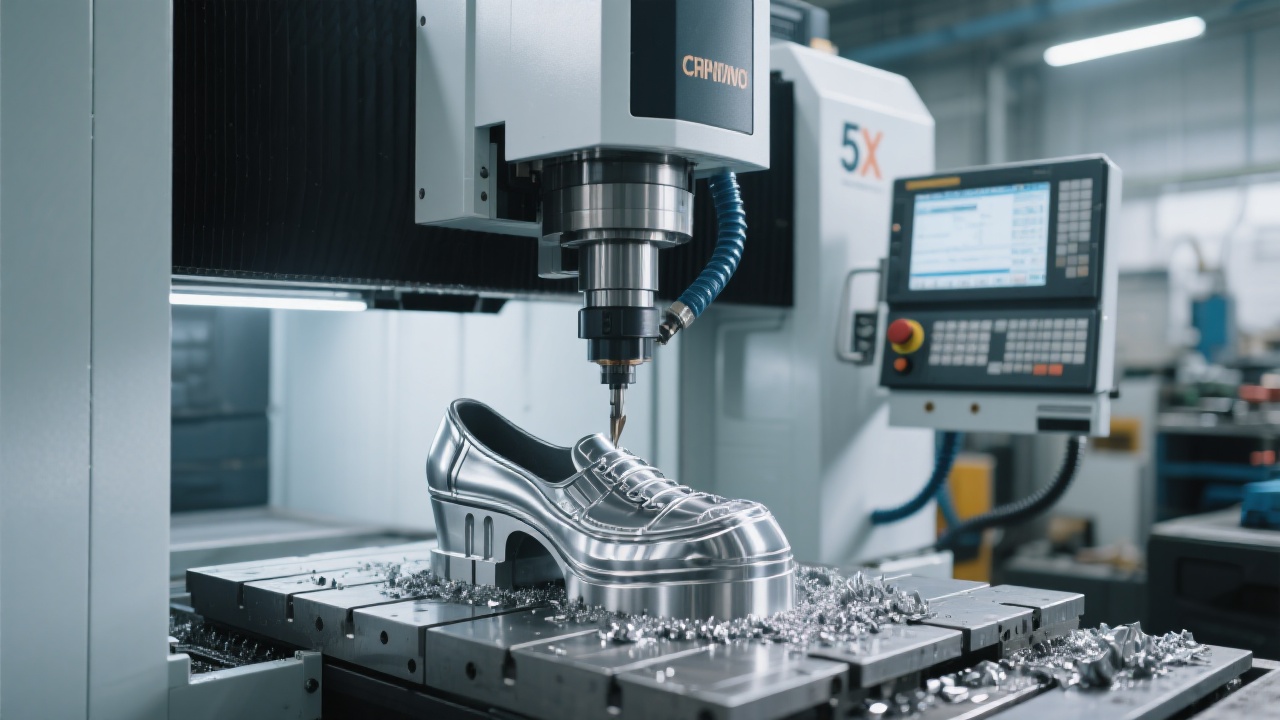
Complementing the rotary worktable is the DC6070’s high-torque electric spindle and the state-of-the-art Syntec control system. The spindle delivers up to 15 kW of power with variable speed control between 6,000 to 24,000 RPM, ensuring smooth cutting action even on hard-to-machine materials such as polyurethane and ABS commonly used in shoe lasts.
Syntec’s real-time adaptive control enhances tool path accuracy, reducing vibrations and thermal deformation, further ensuring tight tolerances within ±0.01 mm range. These joint attributes increase overall productivity by enabling faster feed rates while maintaining finish quality.
Several international footwear manufacturers have integrated the DC6070 within their production lines, reporting a 40% reduction in lead times for shoe mold fabrication and a significant drop in scrap rates. For example, a notable European sports shoe mold maker documented a 35% increase in machine uptime due to the DC6070’s quick-change rotary table setup, directly enhancing delivery schedules.
In Asia, a medium-sized factory cited improved dimensional consistency that drastically decreased post-machining manual corrections, thereby freeing skilled labor for other high-value tasks.
When selecting a five-axis CNC milling machine like the DC6070, decision-makers should consider the following:
Integrating these criteria with Kaibo’s proven DC6070 model ensures optimal alignment with production goals, maximizing ROI and operational agility.