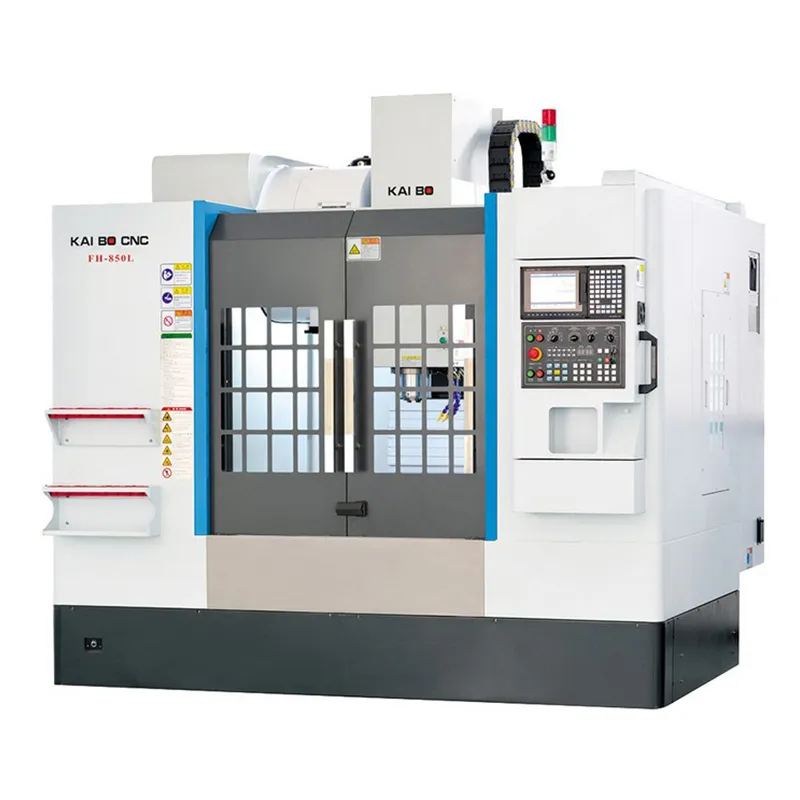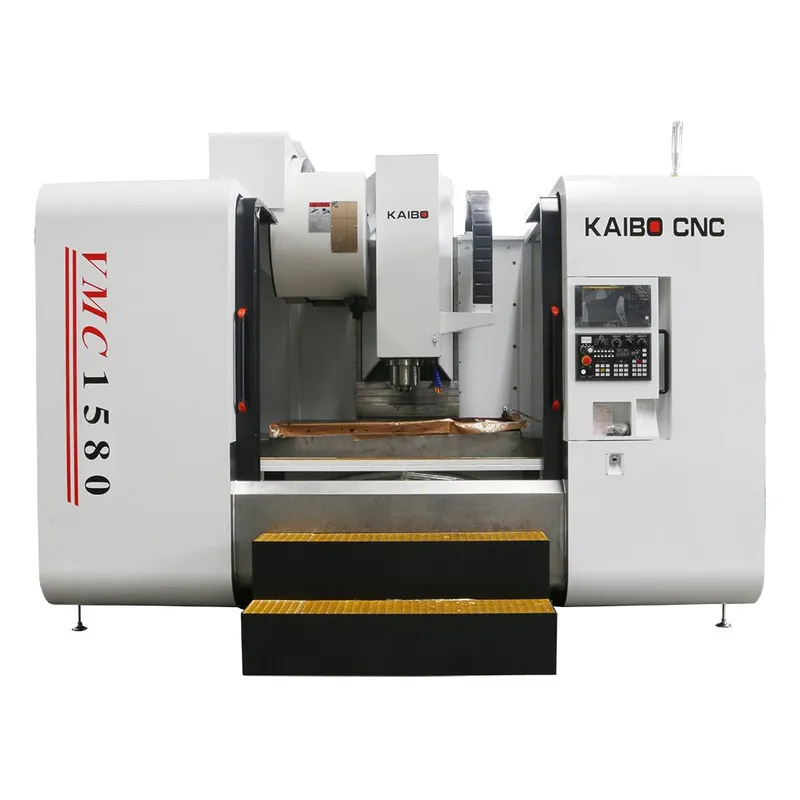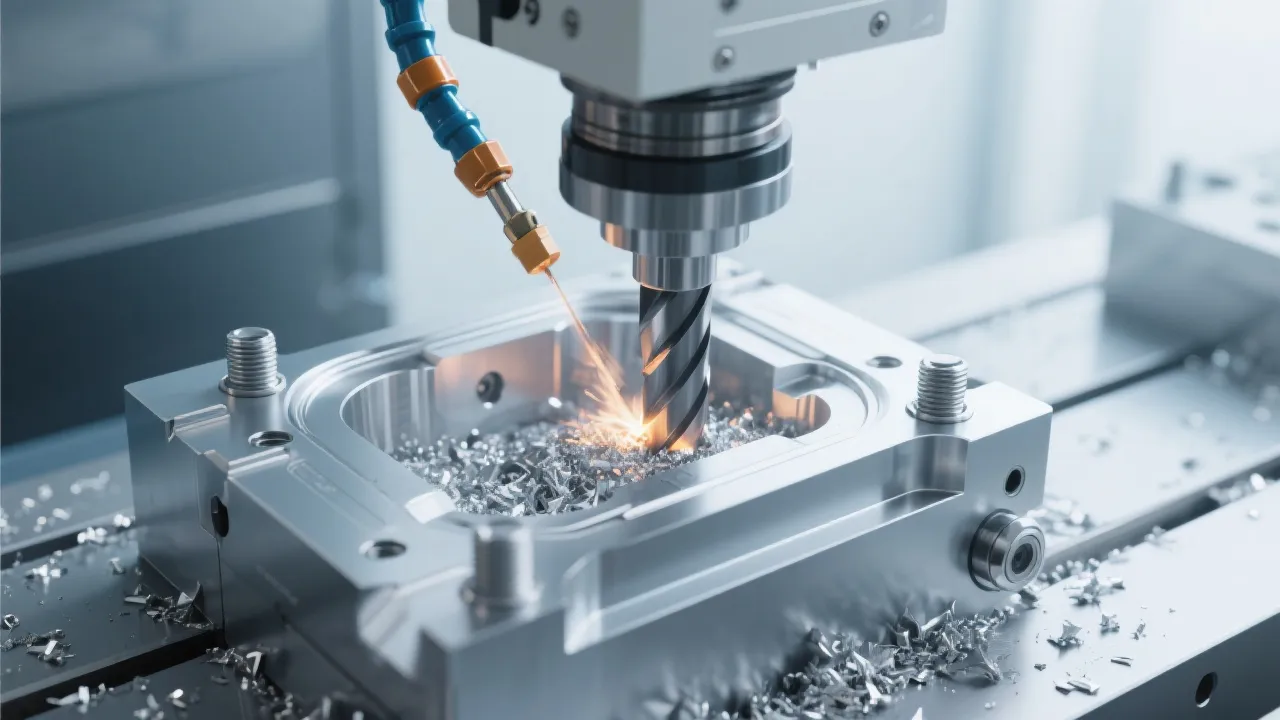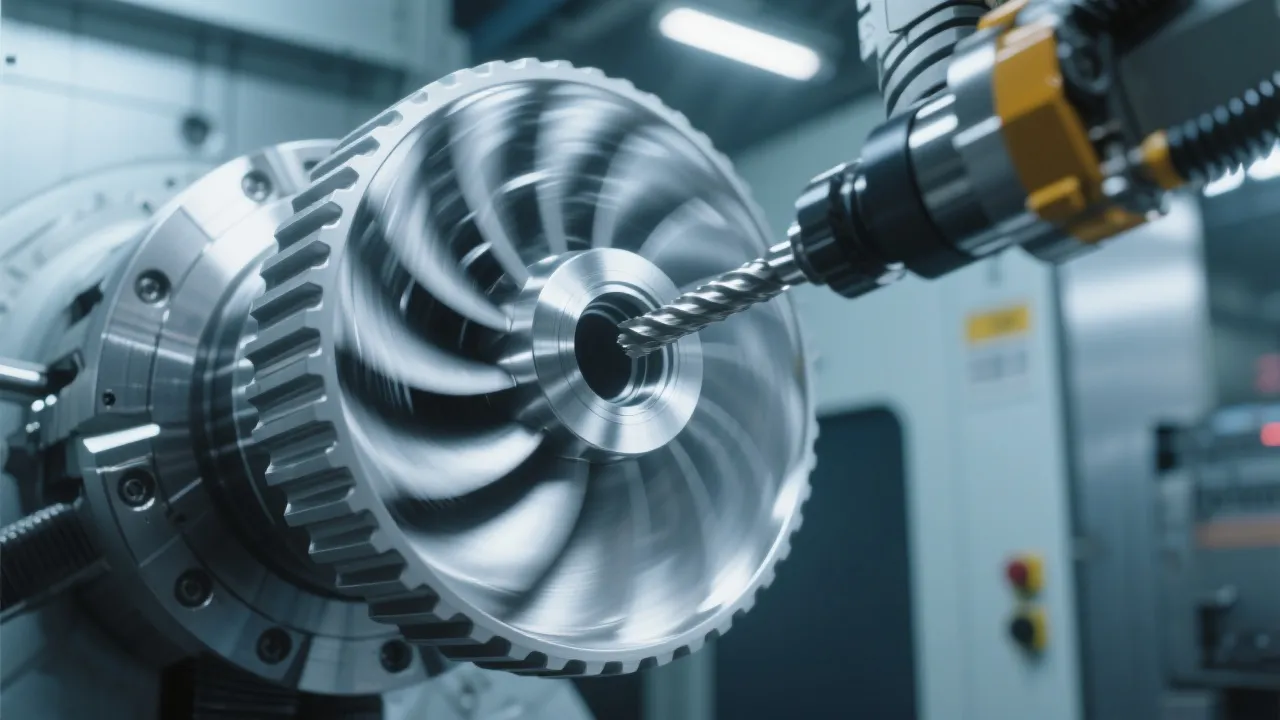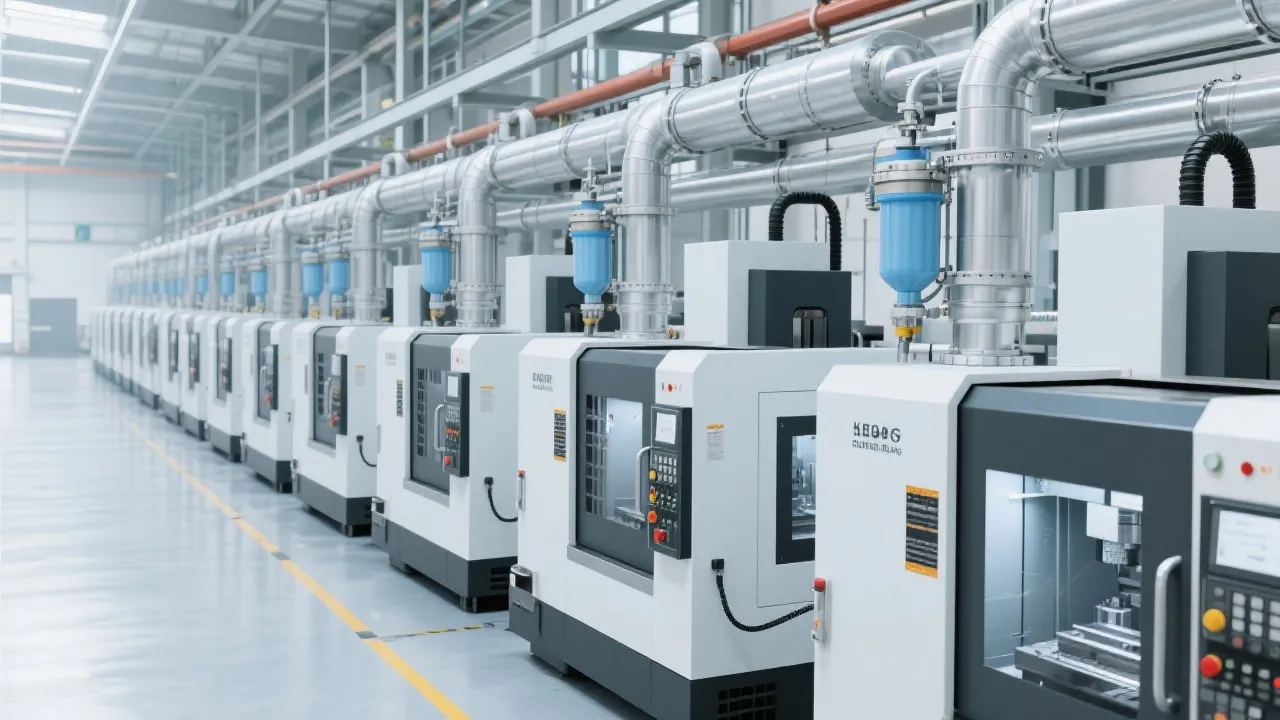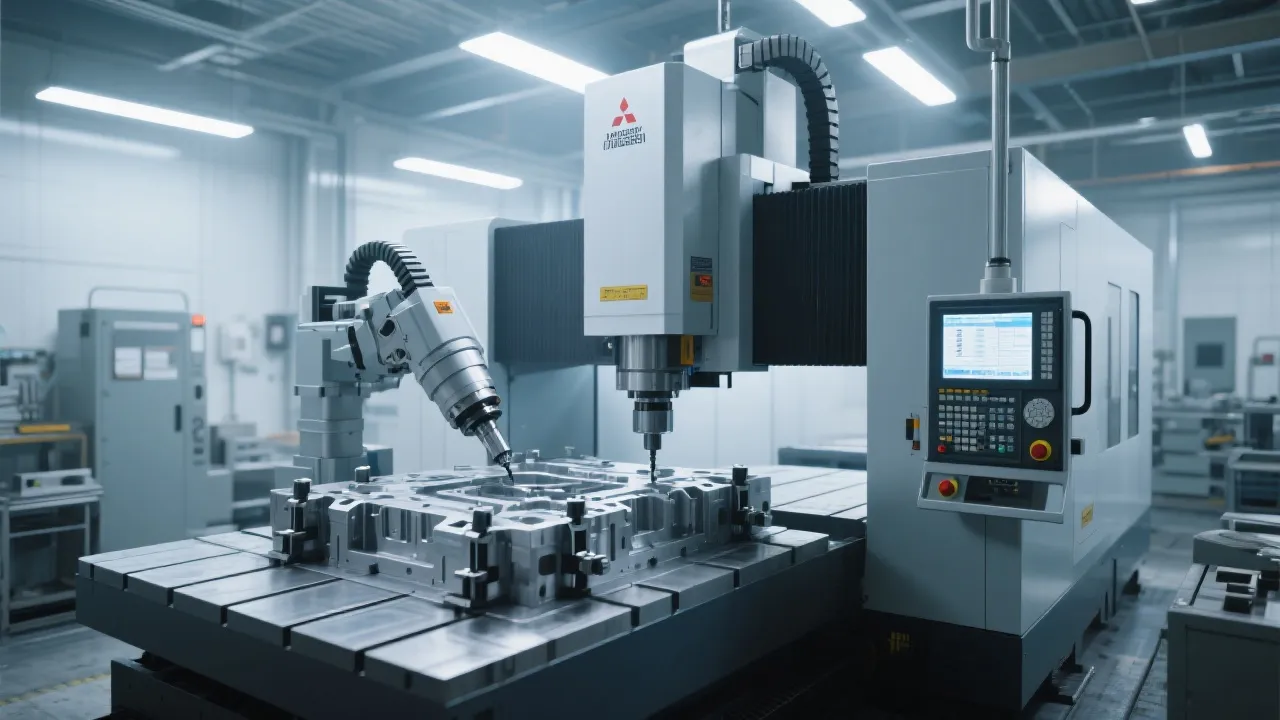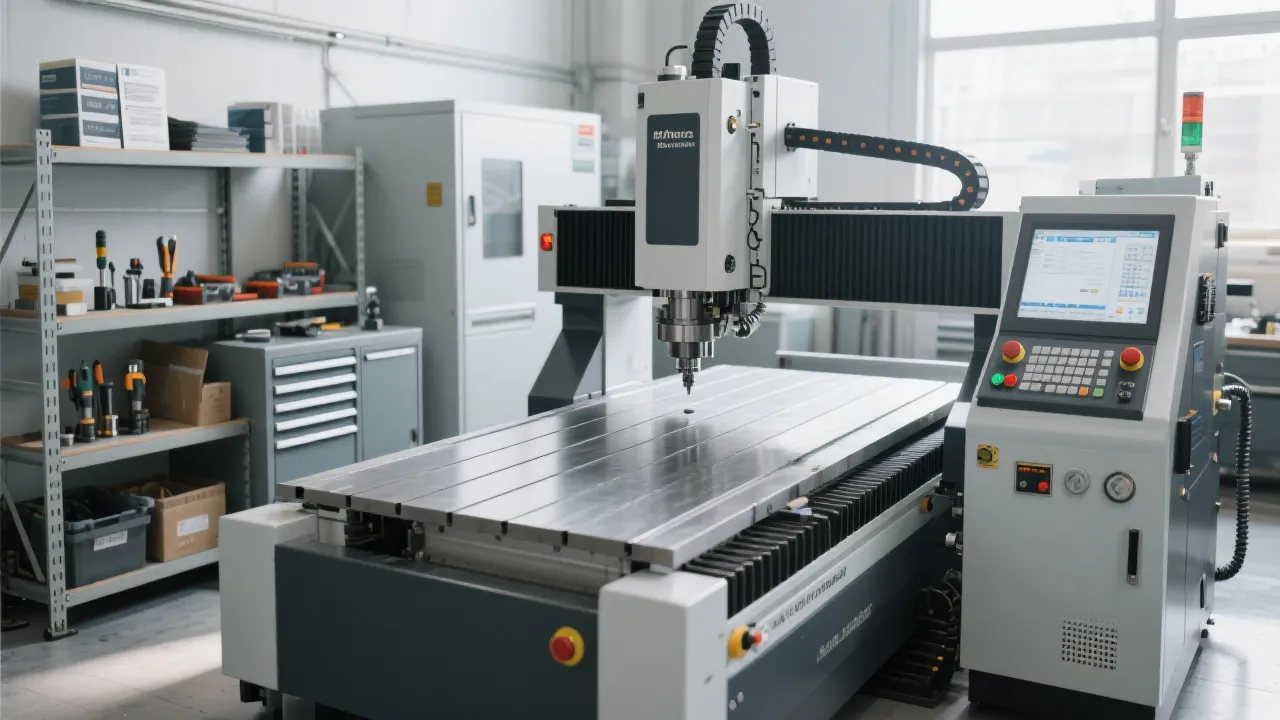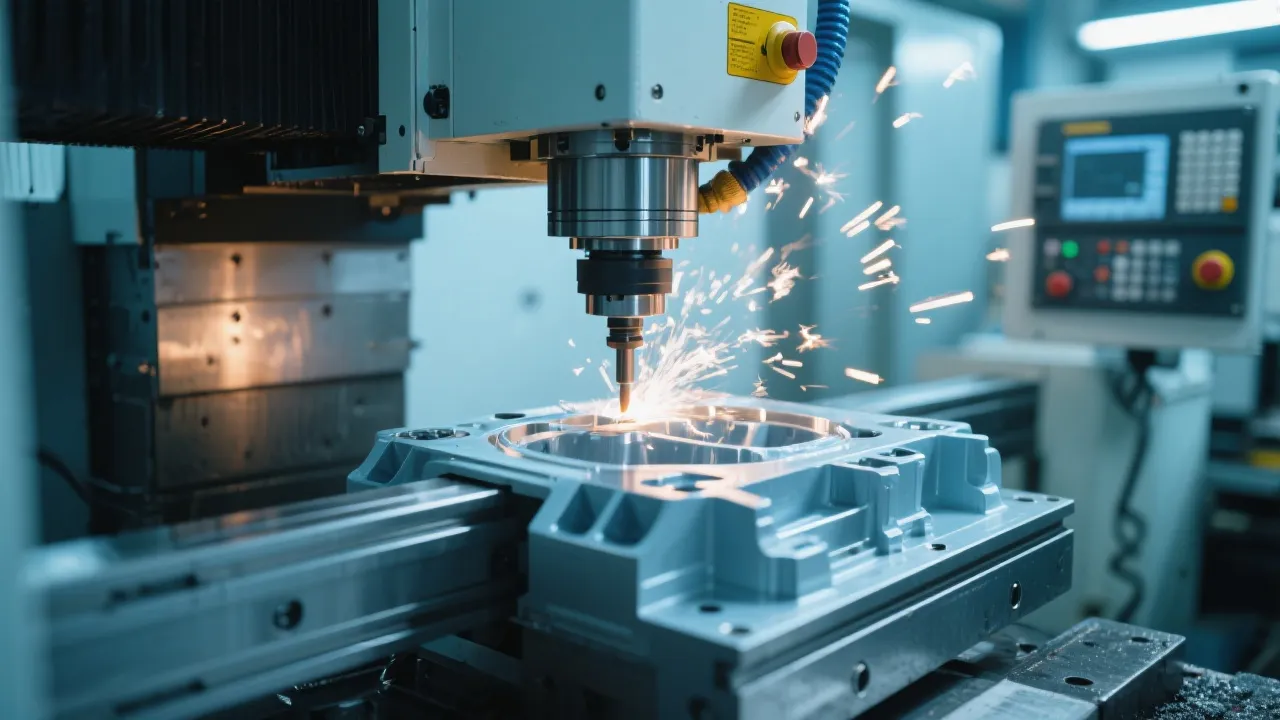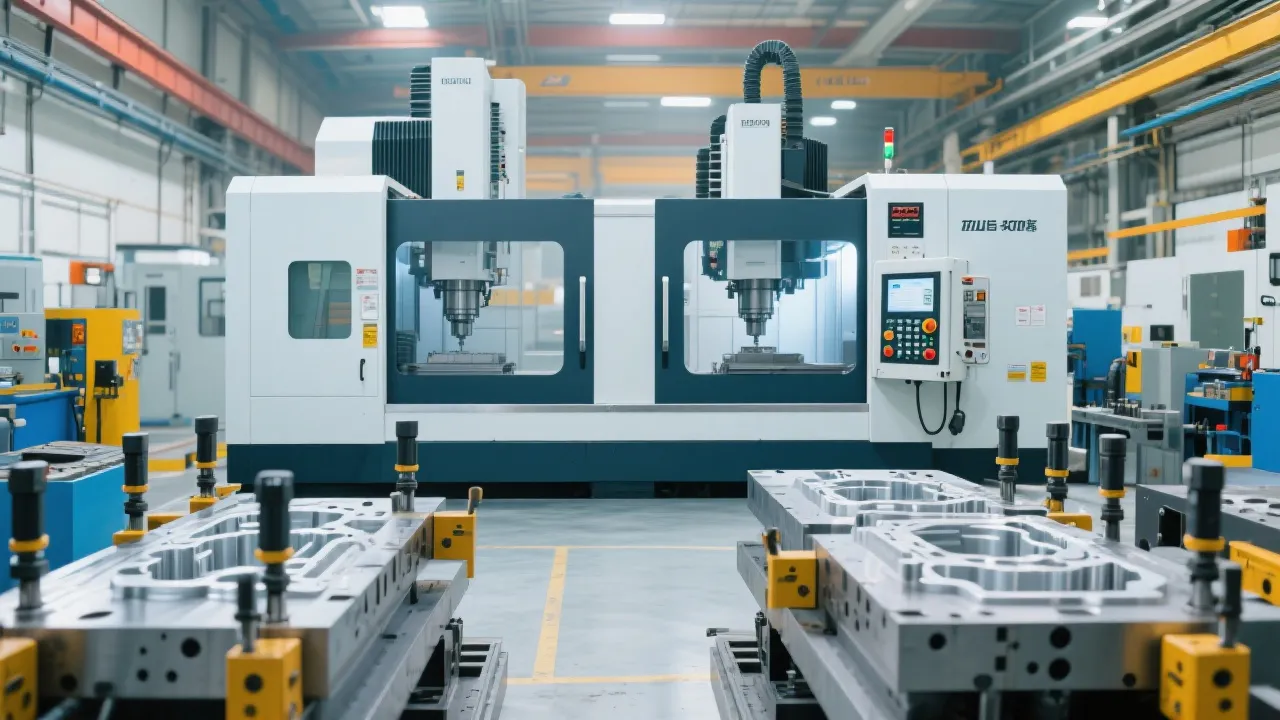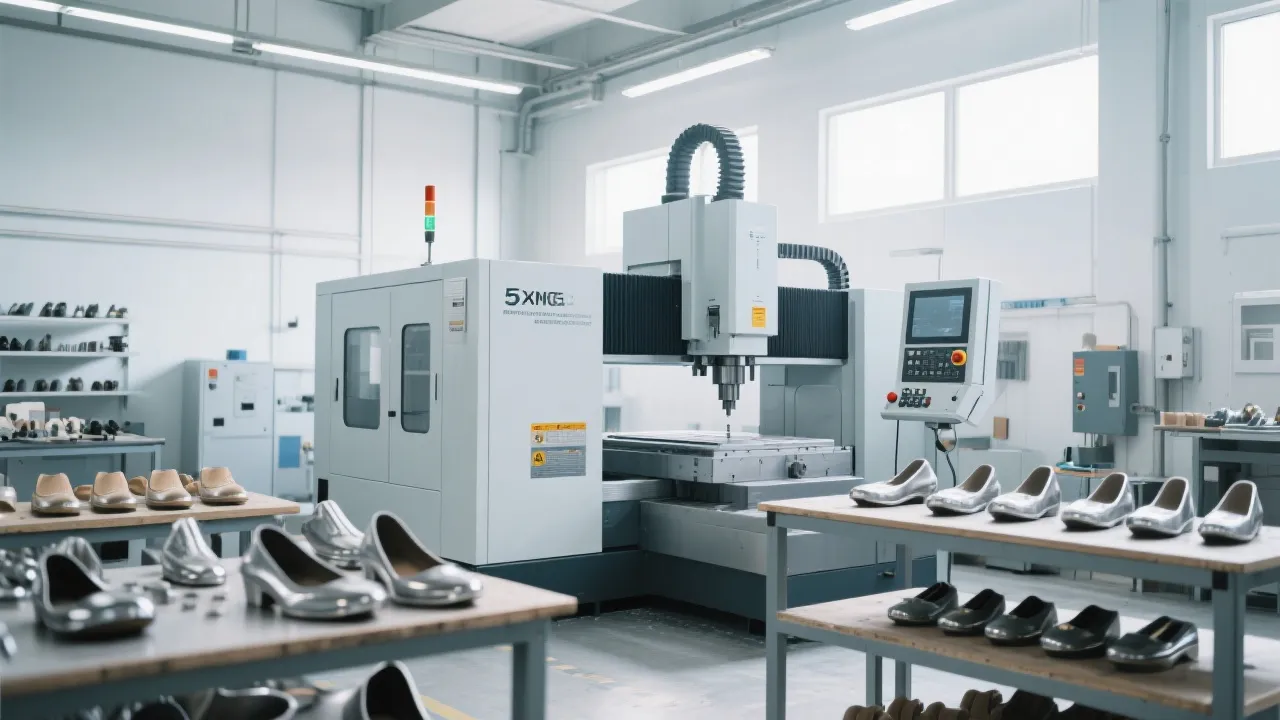
In the competitive footwear manufacturing industry, precision and efficiency are the cornerstones of success. With over 85% of modern shoe production relying on CNC technology, mastering advanced control systems has become essential for operators looking to stay ahead. This comprehensive guide demystifies the programming process for the high-speed Syntec controller, specifically optimized for the DC6070 5-axis shoe last CNC milling machine from Ningbo Kaibo Numerical Control Machinery Co., Ltd.
The Syntec controller represents a significant advancement in CNC technology, offering processing speeds up to 30% faster than conventional systems. Its intuitive interface combined with powerful computing capabilities makes it ideal for the intricate contours and complex geometries required in shoe last manufacturing. When integrated with Kaibo's DC6070 5-axis milling machine, operators gain unprecedented control over the machining process, resulting in precision levels within ±0.01mm—critical for ensuring proper shoe fit and comfort.
Begin by establishing the workpiece coordinate system (WCS) to ensure accurate positioning of the shoe last blank. This critical first step involves:
Operators should allow approximately 10-15 minutes for proper setup, as rushed coordinate alignment is responsible for nearly 40% of machining errors in shoe last production.
The DC6070's automatic tool changer supports up to 16 tools, each requiring specific parameter configuration. For shoe last machining, carbide end mills ranging from 3mm to 12mm diameter are typically used, with tool selection based on material type—whether processing wood, plastic, or composite materials.
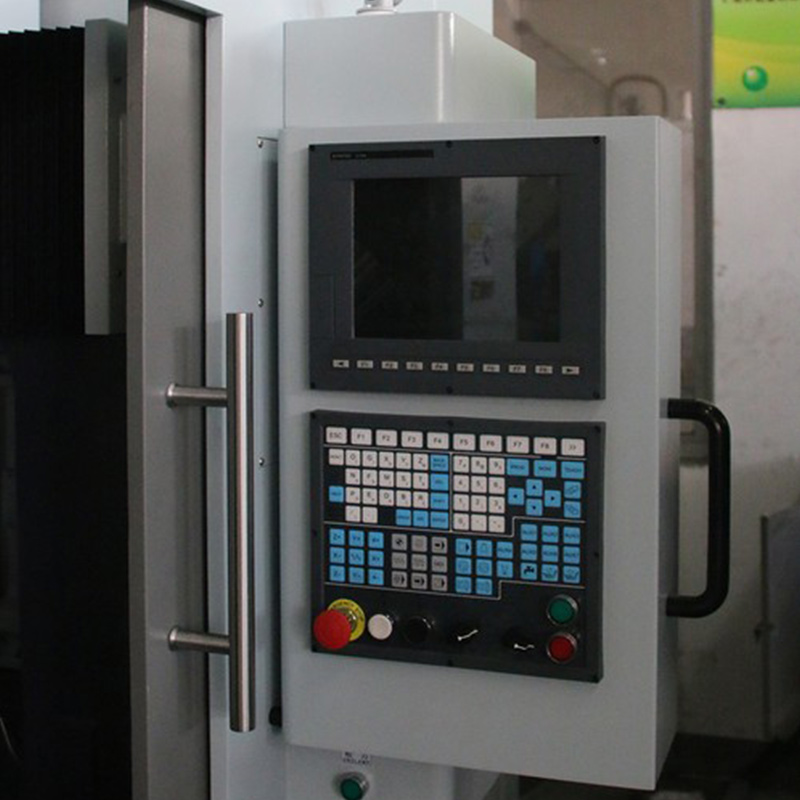
Utilizing the Syntec controller's advanced CAM integration, operators can import 3D shoe last models and generate optimized toolpaths. Key considerations include:
Before initiating actual machining, the Syntec controller's 3D simulation功能 allows operators to visualize the entire process. This step is crucial for identifying potential issues, with industry data showing that proper simulation reduces material waste by an average of 23%. Always verify:
Critical Simulation Checks:
With programming verified, execute the machining process while utilizing the Syntec controller's real-time monitoring features. The system provides constant feedback on cutting forces, spindle load, and tool temperature—allowing operators to make adjustments before quality issues arise. Experienced operators recommend checking the first completed shoe last with a 3D scanner to confirm dimensional accuracy, a practice that reduces production errors by up to 35% in initial production runs.
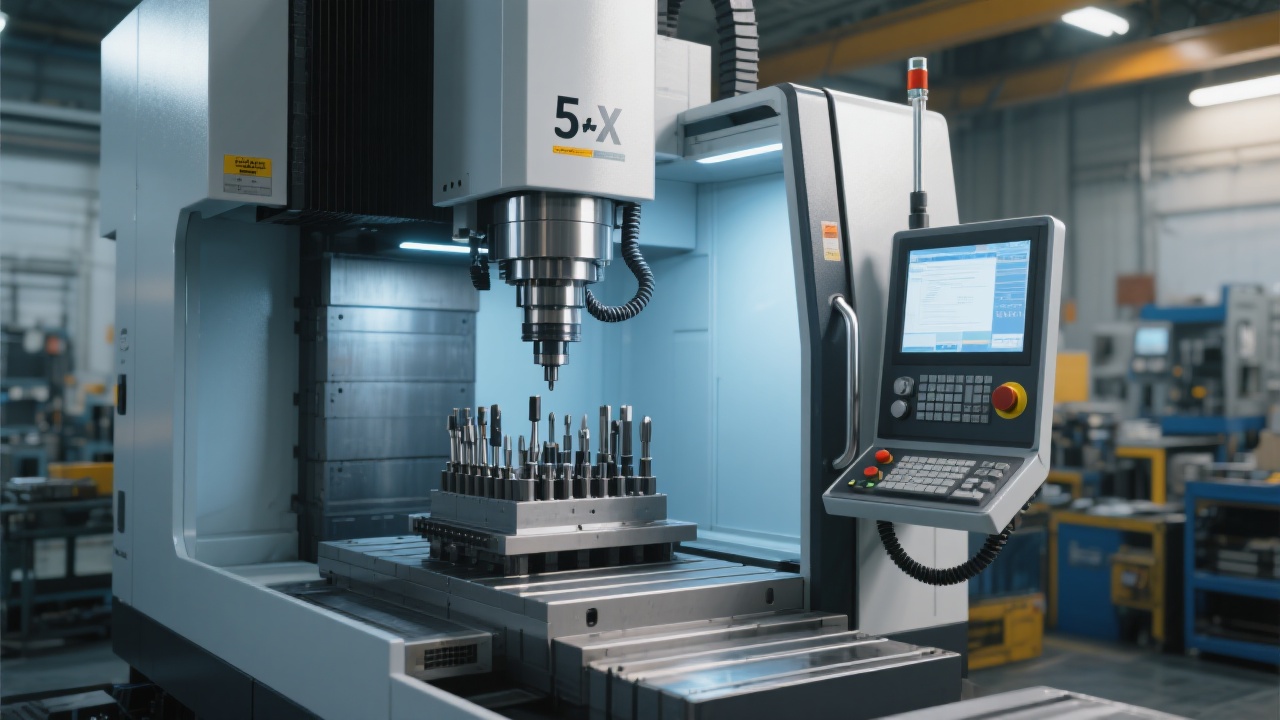
Even with proper programming, operators may encounter issues that affect machining quality. Based on Kaibo's technical support data, these are the most frequent challenges and their solutions:
| Issue | Potential Cause | Solution |
|---|---|---|
| Surface finish inconsistencies | Inadequate feed rate or toolpath step-over | Reduce step-over to 0.15mm or less; adjust feed rate based on material hardness |
| Tool breakage during deep cuts | Excessive depth of cut; insufficient cooling | Implement trochoidal milling strategy; check coolant flow and pressure |
| Dimensional inaccuracies | Thermal expansion; coordinate system drift | Allow machine warm-up period; implement periodic coordinate verification |
Beyond the core programming steps, implementing these advanced techniques can further improve efficiency and quality in shoe last production:
Develop custom macros for frequently produced shoe last sizes and styles. This can reduce programming time by up to 45% for repeat orders and ensure consistency across production runs.
Utilize the Syntec controller's adaptive feed rate feature to automatically adjust cutting speed based on material density variations, reducing cycle time by an average of 18% while maintaining surface quality.
As footwear manufacturers face increasing pressure to reduce time-to-market while maintaining quality, the combination of Kaibo's DC6070 5-axis milling machine and Syntec controller offers a competitive advantage. By following these programming best practices, operators can achieve not only superior precision but also significant productivity gains.
Discover how the DC6070 with Syntec controller can reduce your production time by 30% while improving precision. Our team of application specialists is ready to provide personalized programming guidance and technical support.
Schedule a Live Demo & Technical ConsultationContinuous learning and skill development are essential in the rapidly evolving field of CNC machining. Operators who invest time in mastering advanced programming techniques report not only higher job satisfaction but also increased earning potential, with certified Syntec programmers commanding salaries up to 22% higher than their non-certified counterparts in the footwear manufacturing sector.