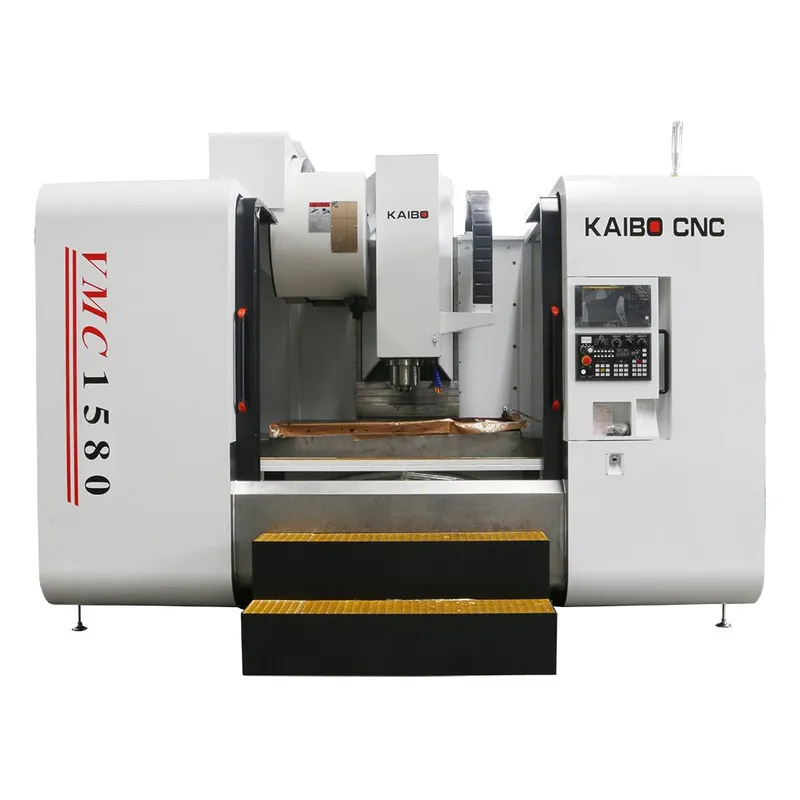
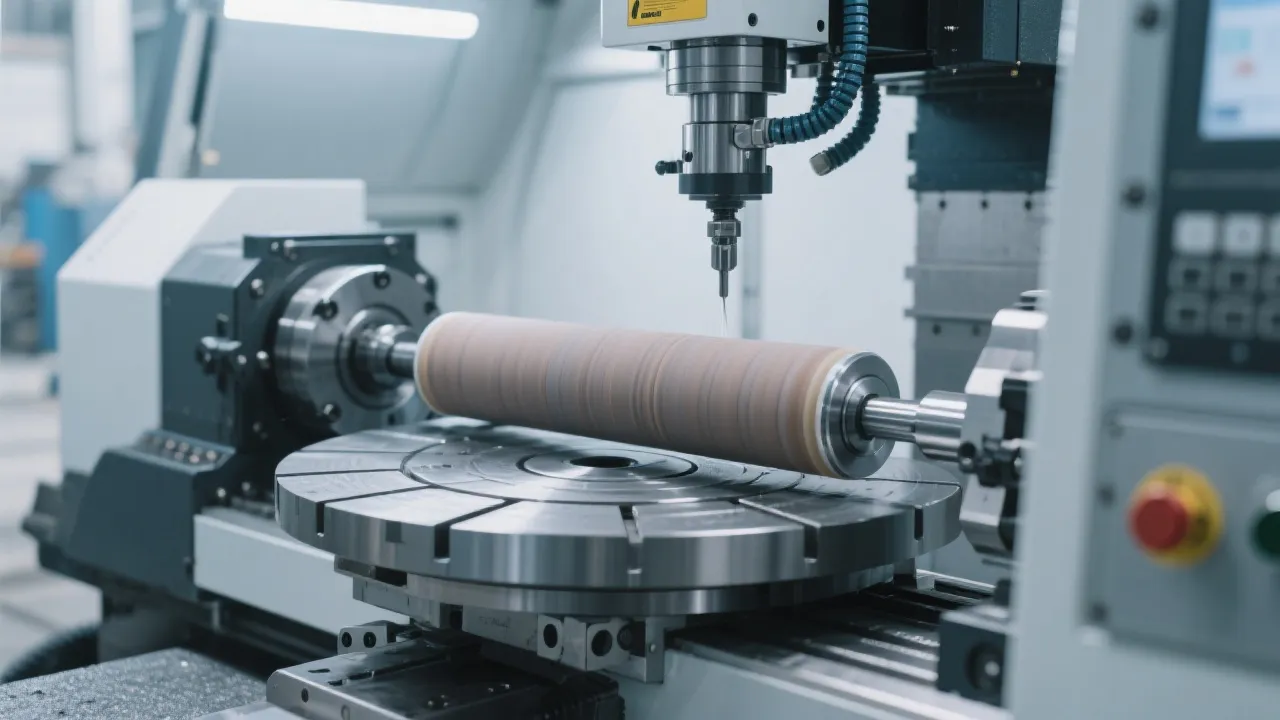
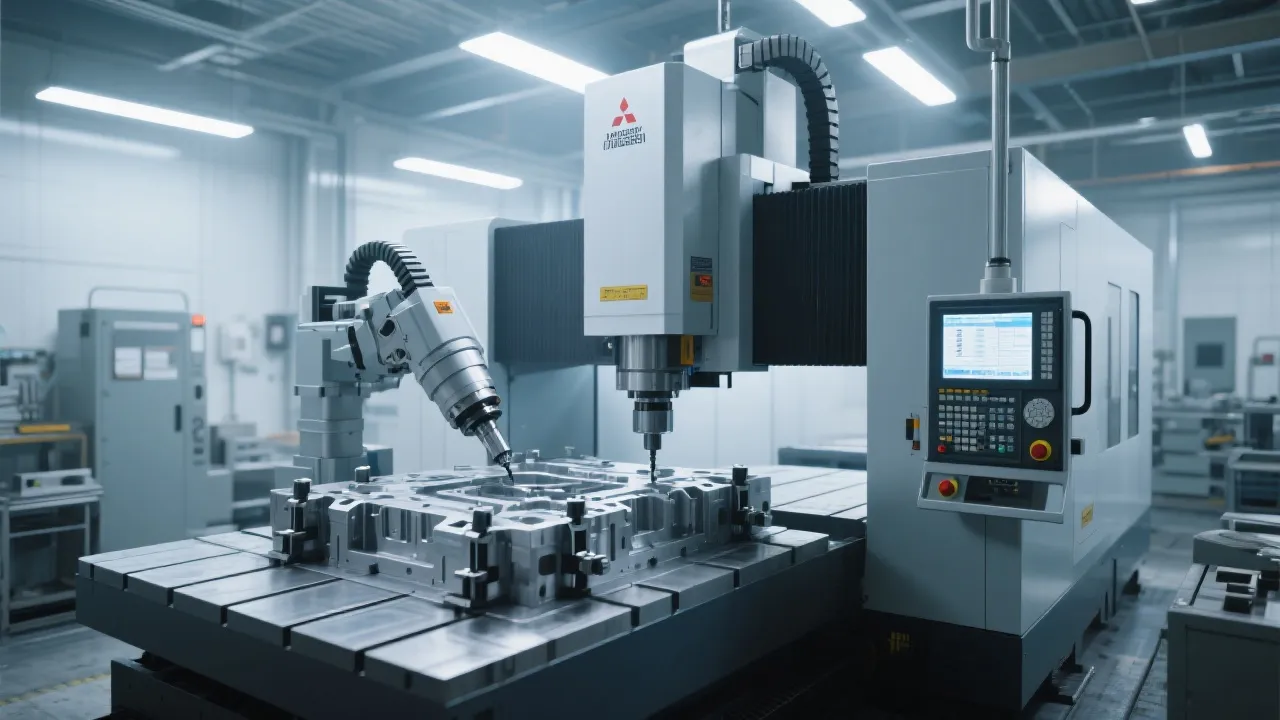
In today’s competitive footwear manufacturing landscape, precision and efficiency are no longer optional—they’re essential. At Ningbo Kebao CNC Machinery Co., Ltd., we’ve seen firsthand how integrating advanced technology like the five-axis DC6070 shoe last CNC mill can transform production from manual guesswork to intelligent automation. This article dives into one of the most critical components of this system: the high-speed Syntec controller.
The Syntec controller isn’t just a software interface—it’s the brain behind multi-axis联动 (coordination) that enables complex curves, tight tolerances, and rapid tool changes. According to industry benchmarks, users who master its programming see up to 35% faster setup times and 22% fewer scrap rates in initial runs compared to traditional methods. Whether you're producing luxury leather lasts or mass-market athletic models, understanding this controller is your first step toward consistent quality.
Key Features You Should Know:
A mid-sized footwear manufacturer in Vietnam recently upgraded their legacy milling machines to the DC6070 equipped with the Syntec controller. Their goal? Cut cycle time on a standard men's dress shoe last from 2 hours to under 1.2 hours. By applying optimized feed rates, strategic toolpath sequencing, and leveraging the controller’s built-in simulation mode, they achieved exactly that—and maintained a surface finish within ±0.05mm tolerance across 100+ units.
This case shows that it’s not just about having the right machine—it’s about knowing how to use it. The Syntec controller allows operators to simulate entire toolpaths before cutting, reducing trial-and-error waste by an estimated 60% in early-stage projects.
Even experienced machinists make mistakes when working with multi-axis systems. Here are three frequent issues and how to resolve them quickly:
These tips come directly from our field engineers’ logs—over 300 service calls analyzed in the past year show these three issues account for nearly 70% of preventable downtime.
We recommend pairing written tutorials with hands-on practice. Our training modules include downloadable PDFs, short video walkthroughs (under 5 minutes each), and live Q&A sessions hosted monthly via Zoom. These resources help bridge the gap between theory and real-world application—a factor cited by 89% of users as crucial to successful adoption (based on our 2024 customer survey).
For those looking to deepen their knowledge, we also offer certified workshops led by senior technicians who have supported over 150 global clients—from small workshops in Italy to large-scale factories in India.
If you're exploring ways to modernize your shoe mold production, consider how the DC6070 with Syntec controller could fit into your workflow. With intuitive controls, robust support, and proven results across diverse markets—from Europe to Southeast Asia—this solution offers both immediate gains and long-term scalability.