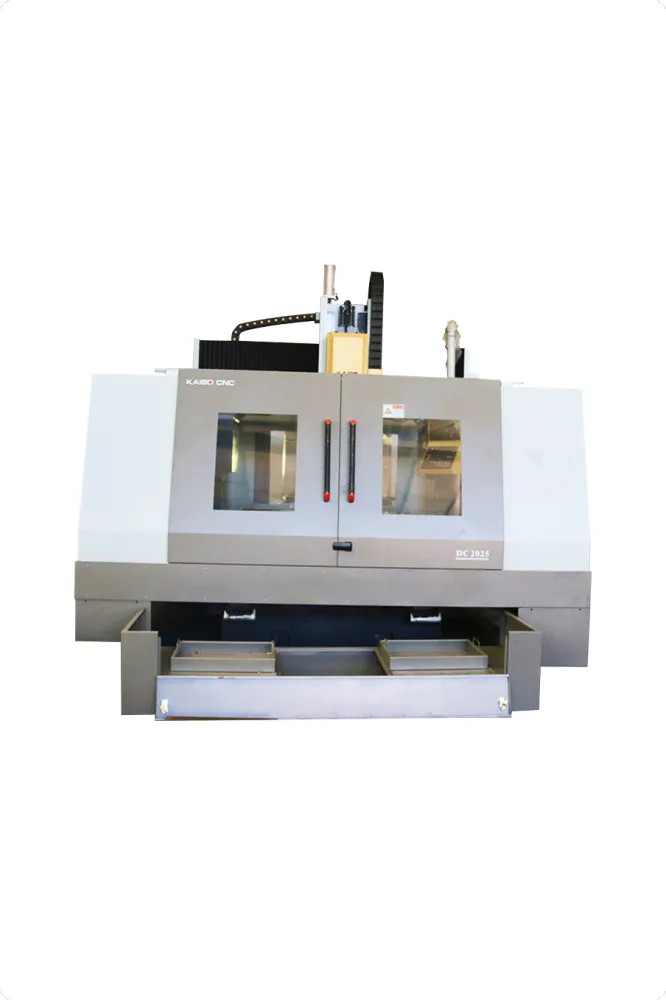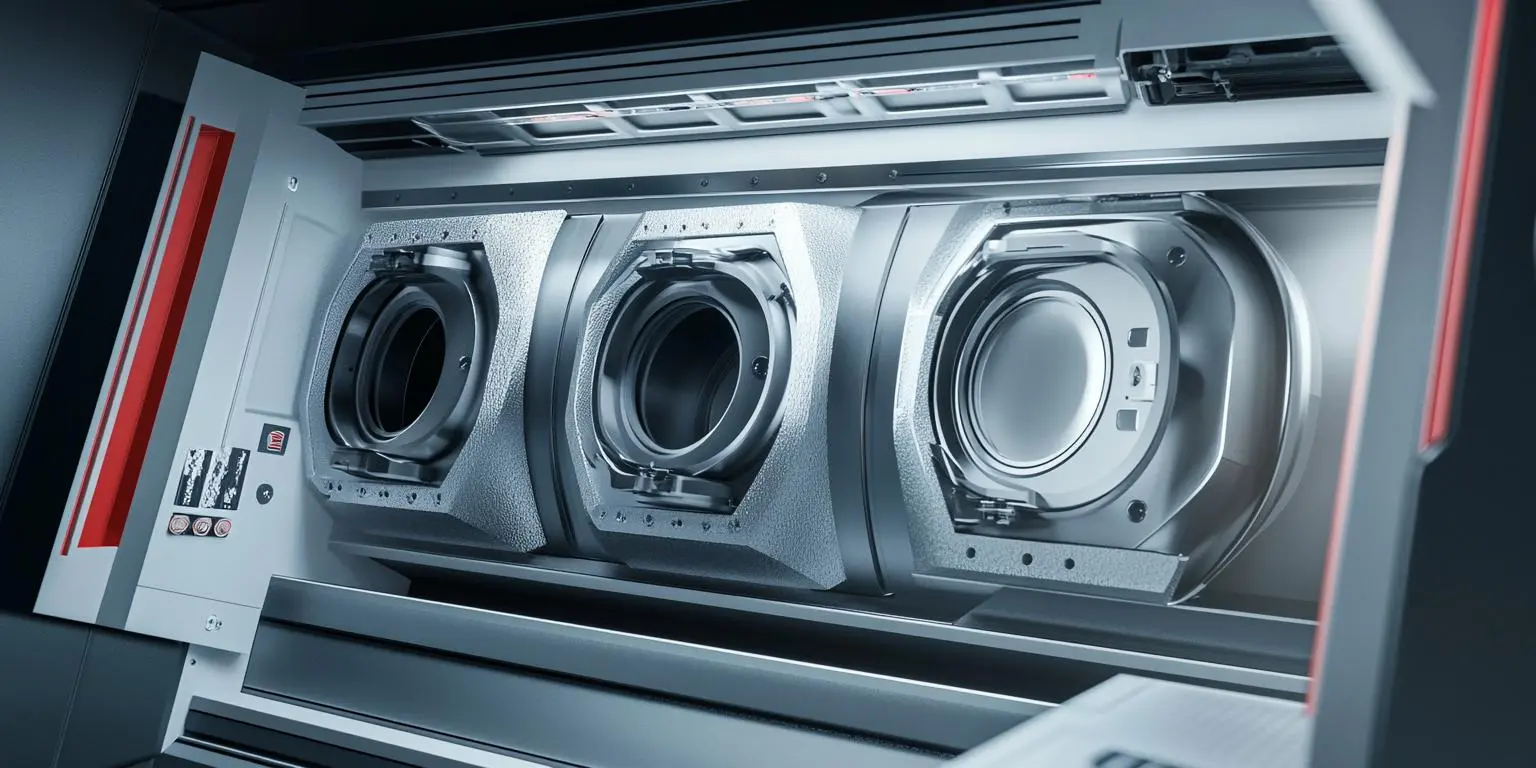
In the mass production of high-precision molds and electrode graphite products, wet graphite machining has emerged as a revolutionary technique. Compared to dry machining, wet machining offers significant advantages in terms of heat management and dust control. The use of coolant in wet machining plays a crucial role. Coolant can immediately flush the cutting area, effectively controlling the heat generated during the cutting process. For example, in a general graphite machining operation, dry machining can cause the cutting area temperature to rise to over 200°C, while wet machining can keep the temperature below 50°C, greatly extending the tool life. Moreover, the coolant can also clear graphite dust, which is beneficial for maintaining the stability of the machining process.
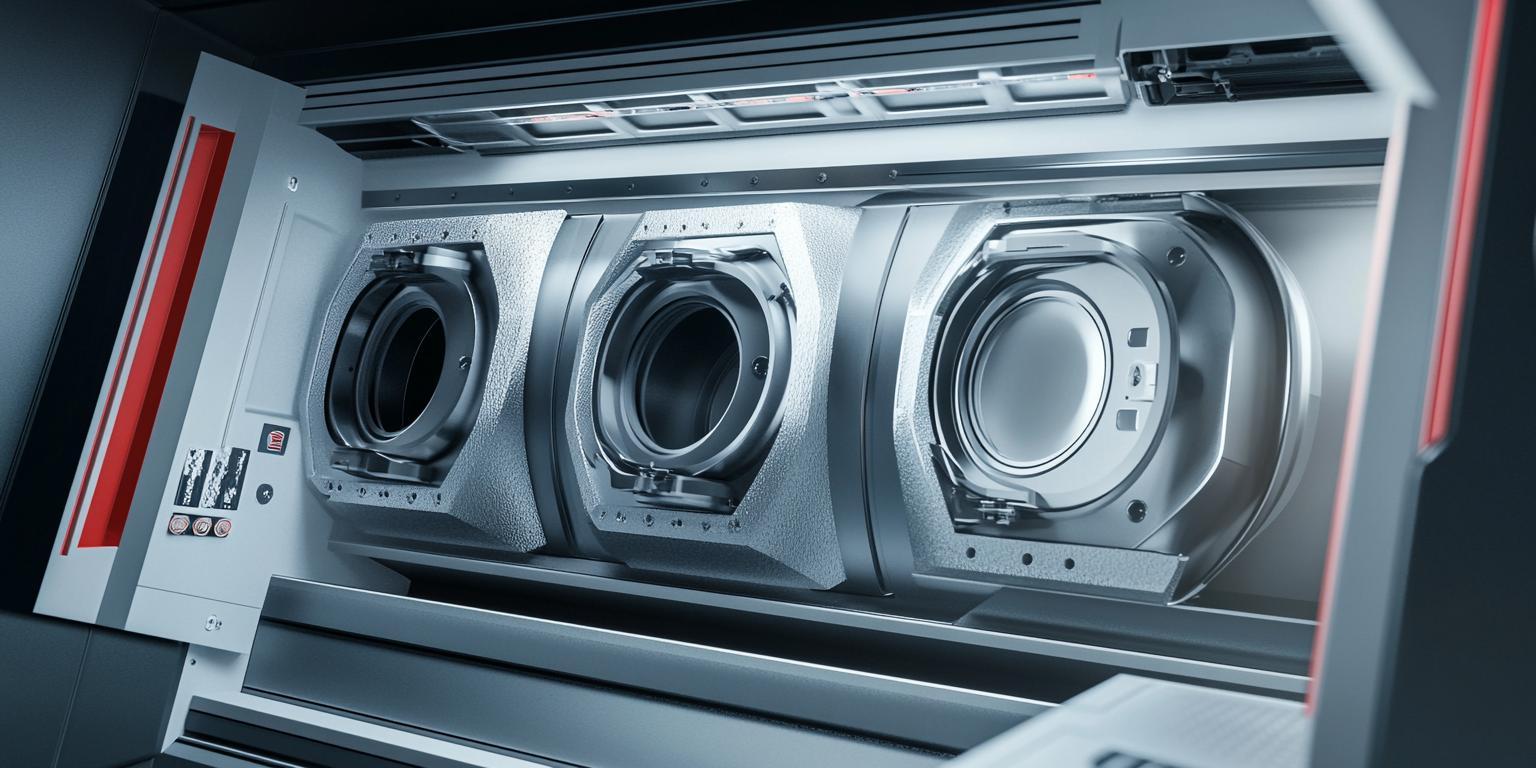
Let's take a look at some real - world cases in the mass production of high - precision molds and electrode graphite products. In a well - known mold manufacturing company, after switching from dry machining to wet machining, the surface roughness of the products decreased from Ra 3.2μm to Ra 0.8μm, which significantly improved the product quality. At the same time, the equipment downtime caused by dust accumulation was reduced by 30%, greatly enhancing the equipment reliability. The coolant's ability to reduce friction and wear also contributes to the improvement of the machining accuracy, which is crucial for high - precision molds and electrode graphite products.
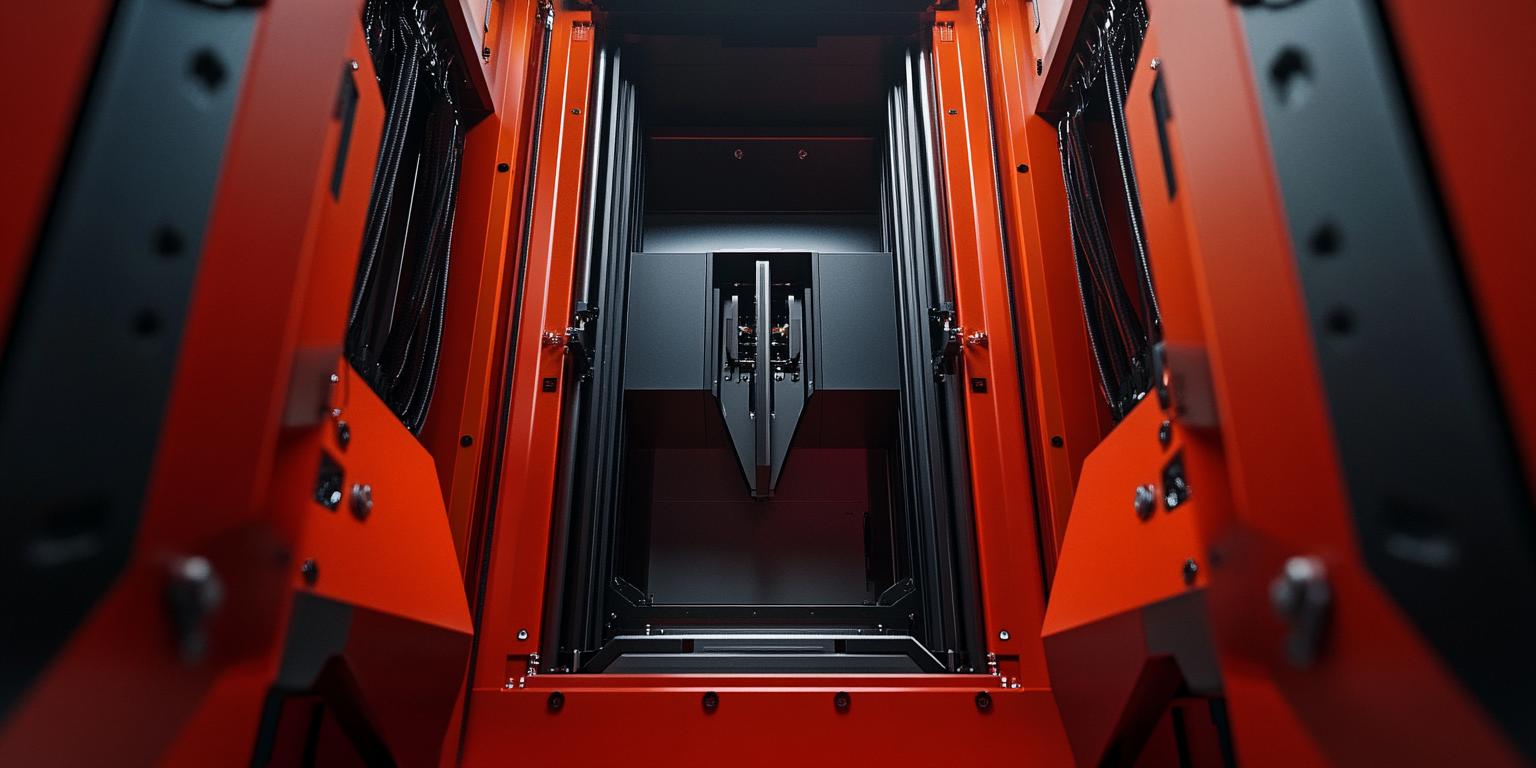
To fully leverage the advantages of wet machining, it is essential to match the key technical parameters. The coolant flow, pressure, and spraying method are all important factors. Regarding the coolant flow, for a medium - sized graphite machining center, a flow rate of 20 - 30L/min is generally recommended. As for the pressure, a pressure of 2 - 3MPa can ensure effective flushing of the cutting area. Different spraying methods, such as direct spraying and circumferential spraying, also have different effects on the machining process. Direct spraying is more suitable for concentrated cutting areas, while circumferential spraying can provide more comprehensive coverage.
| Parameter | Recommended Value |
|---|---|
| Coolant Flow | 20 - 30L/min |
| Coolant Pressure | 2 - 3MPa |
Adjusting the process parameters is a key step to achieve a balance between efficiency and surface quality. Increasing the cutting speed can improve the machining efficiency, but it may also lead to a decrease in the surface quality. Therefore, it is necessary to find an optimal point. In practice, by gradually adjusting the cutting speed and feed rate, and monitoring the surface quality and machining time, an appropriate parameter combination can be found. It should be noted that when adjusting the parameters, there are certain risks, such as tool breakage and unstable machining. Compared with dry machining, wet machining has better safety performance because the coolant can reduce the risk of fire caused by high - temperature sparks.
From the perspective of intelligent manufacturing, wet machining plays a key role in automated continuous production. With the development of Industry 4.0, the demand for intelligent and continuous production is increasing. Wet machining can be easily integrated into automated production lines. For example, through the use of sensors and control systems, the coolant flow, pressure, and other parameters can be automatically adjusted according to the machining status. Data shows that in an automated graphite machining production line, the use of wet machining can increase the production efficiency by 25% and reduce the labor cost by 20%. The combination of wet machining and intelligent manufacturing is the future development trend of the graphite machining industry.
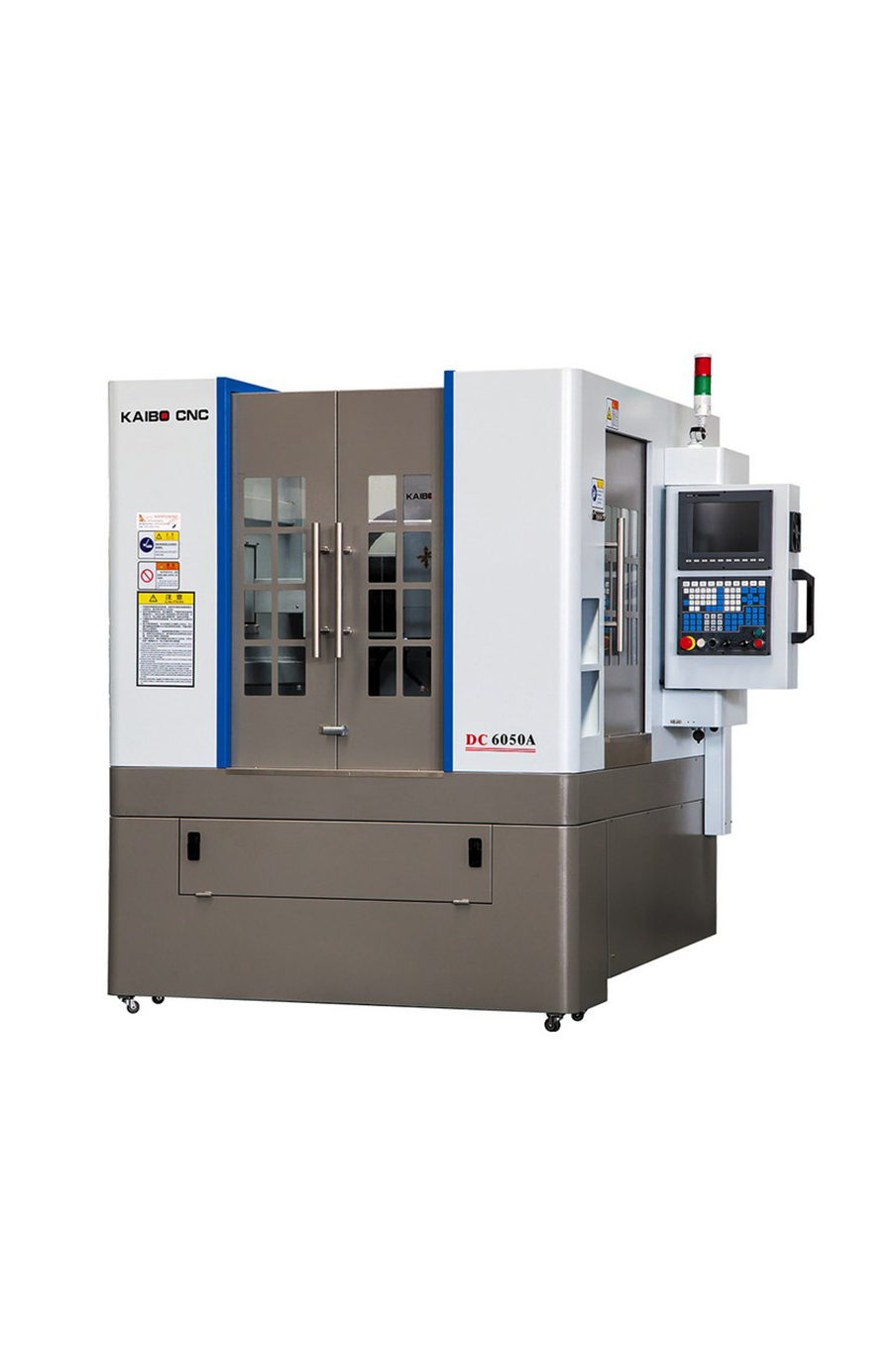
Are you ready to take your graphite machining to the next level? Our wet graphite machining center DC6060G is the perfect solution for your high - precision mold and electrode graphite product manufacturing needs. With advanced technology and reliable performance, it can help you achieve significant improvements in product quality and production efficiency. Click here to learn more and start your free trial today!