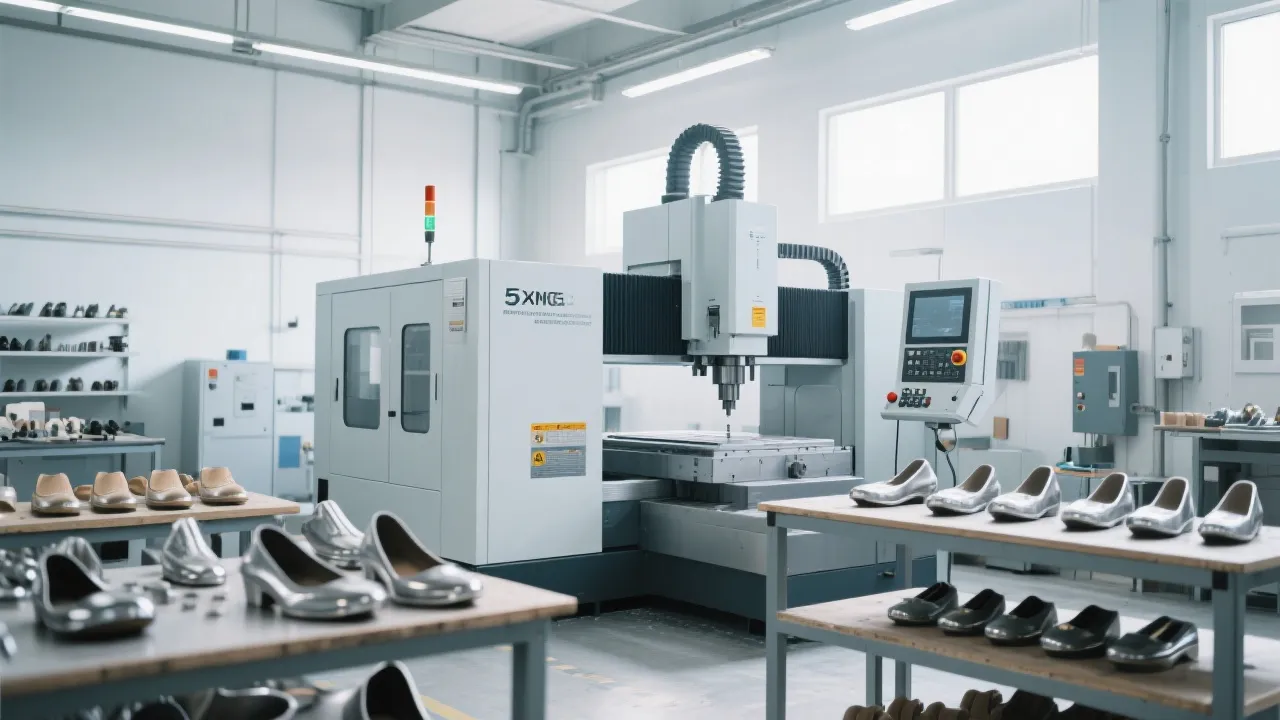
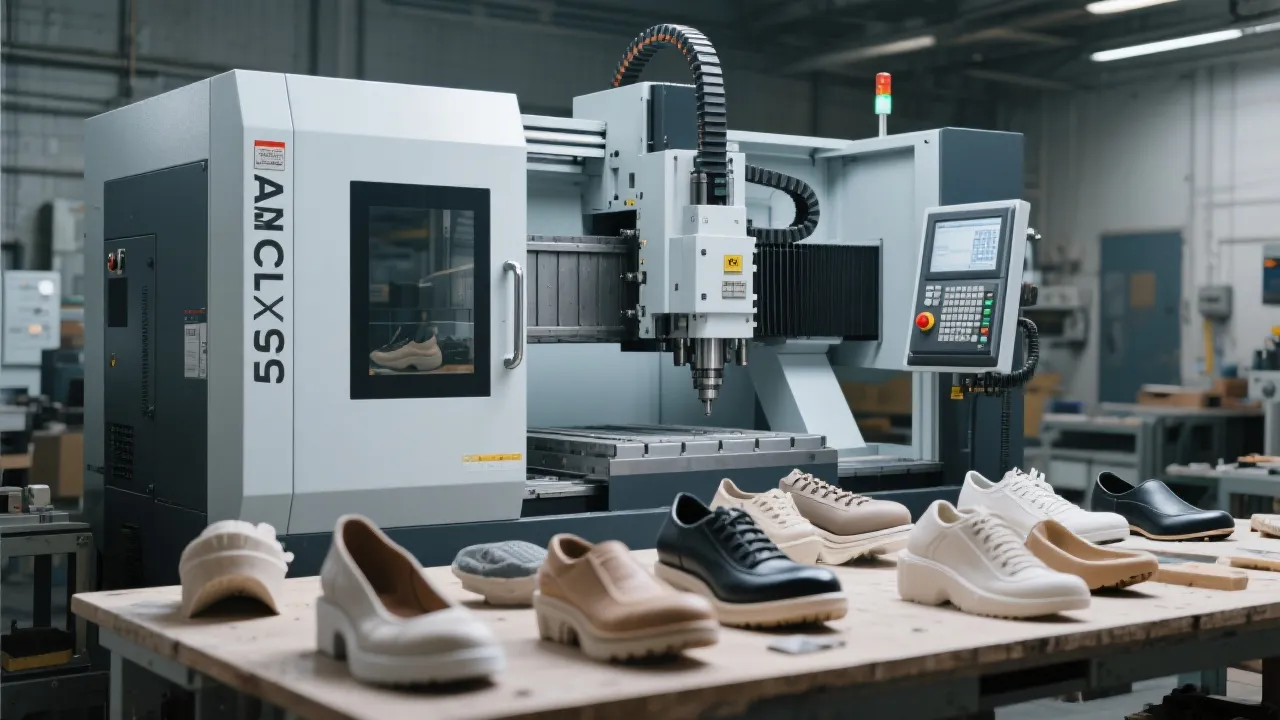
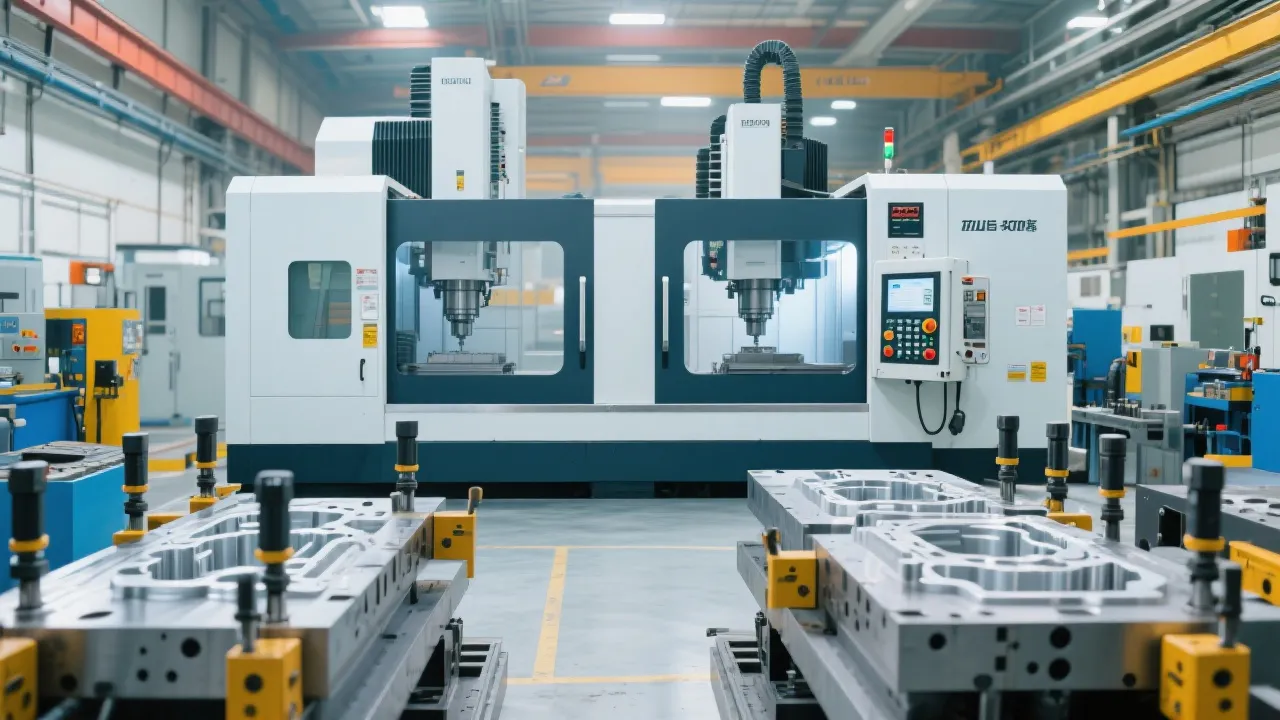
In the landscape of modern manufacturing, precision and versatility are paramount. As a leading manufacturer with over 25 years of expertise, Ningbo Kaibo CNC Machinery Co., Ltd.—developer of China's National Standard for CNC Engraving and Milling Machines—provides authoritative insights into this specialized equipment category. This guide explores the core capabilities, applications, and technical distinctions that define CNC engraving and milling machines in industrial production.
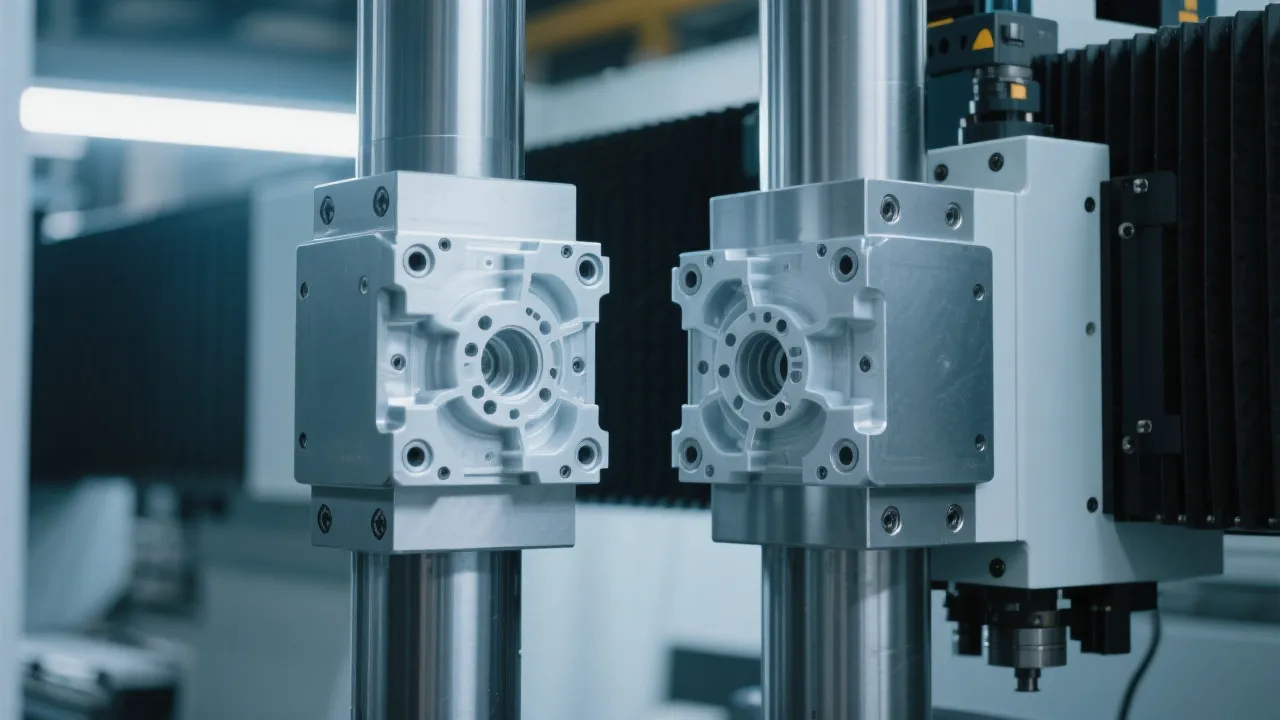
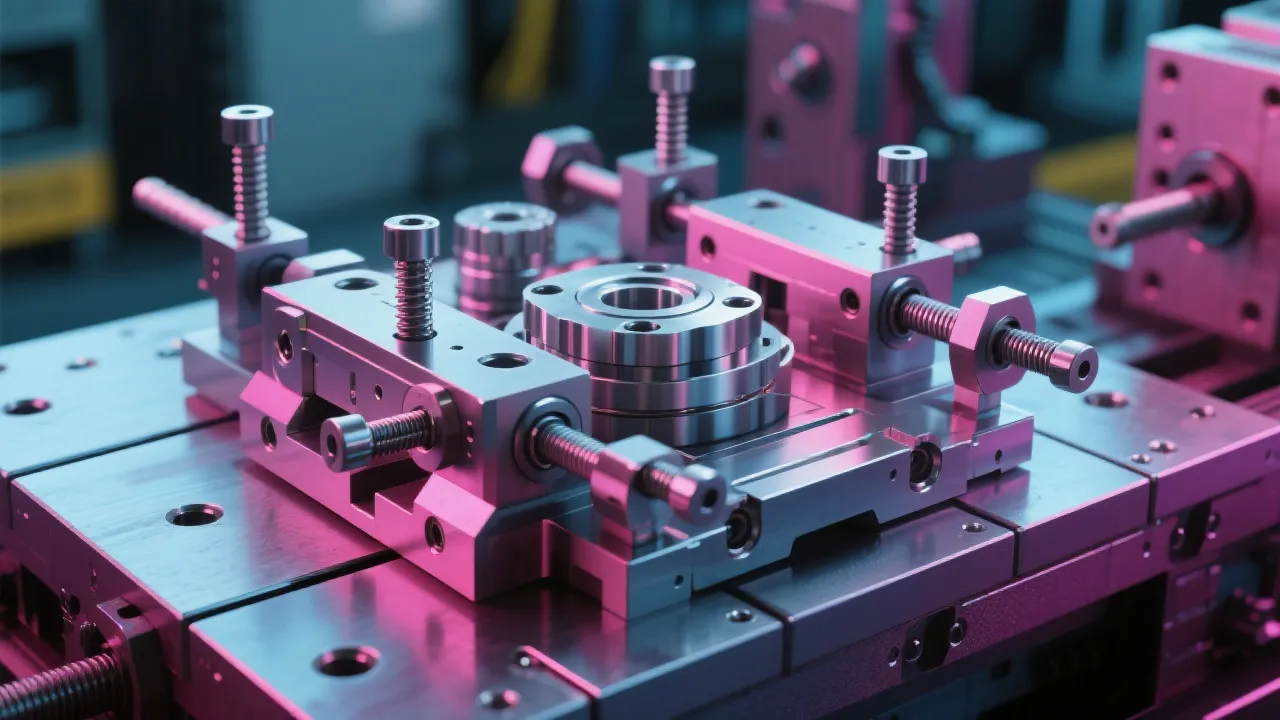
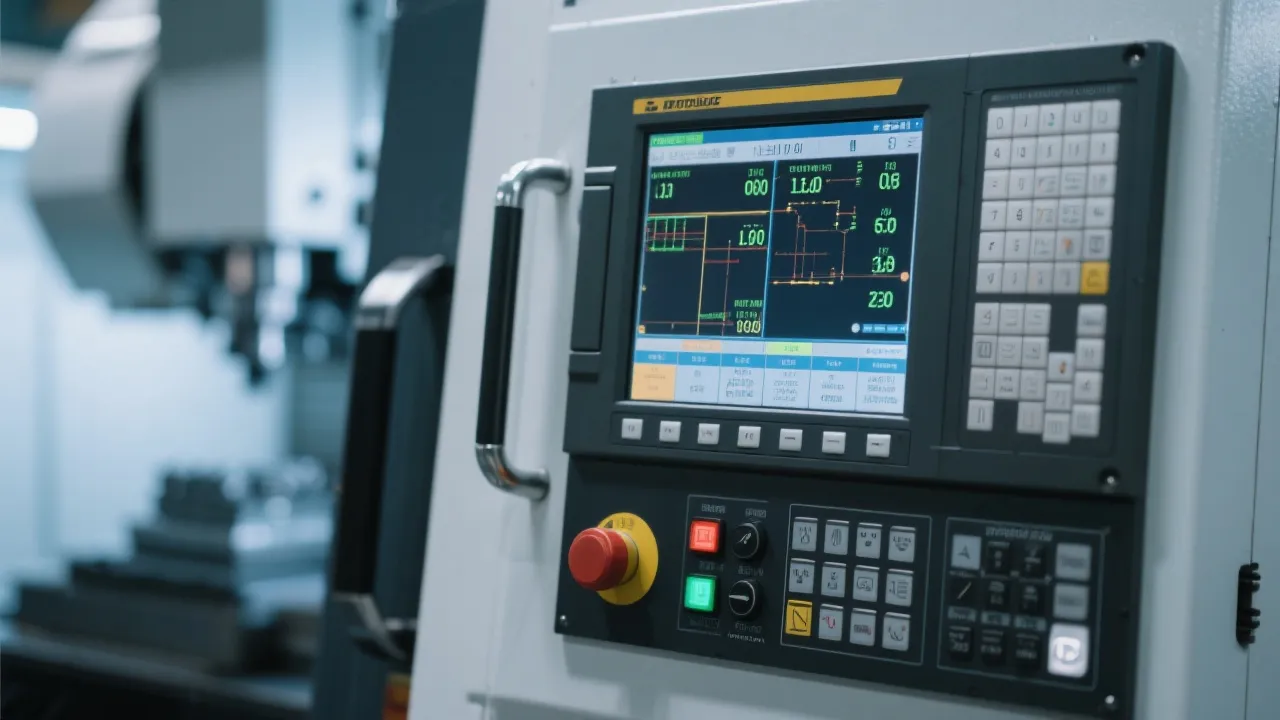
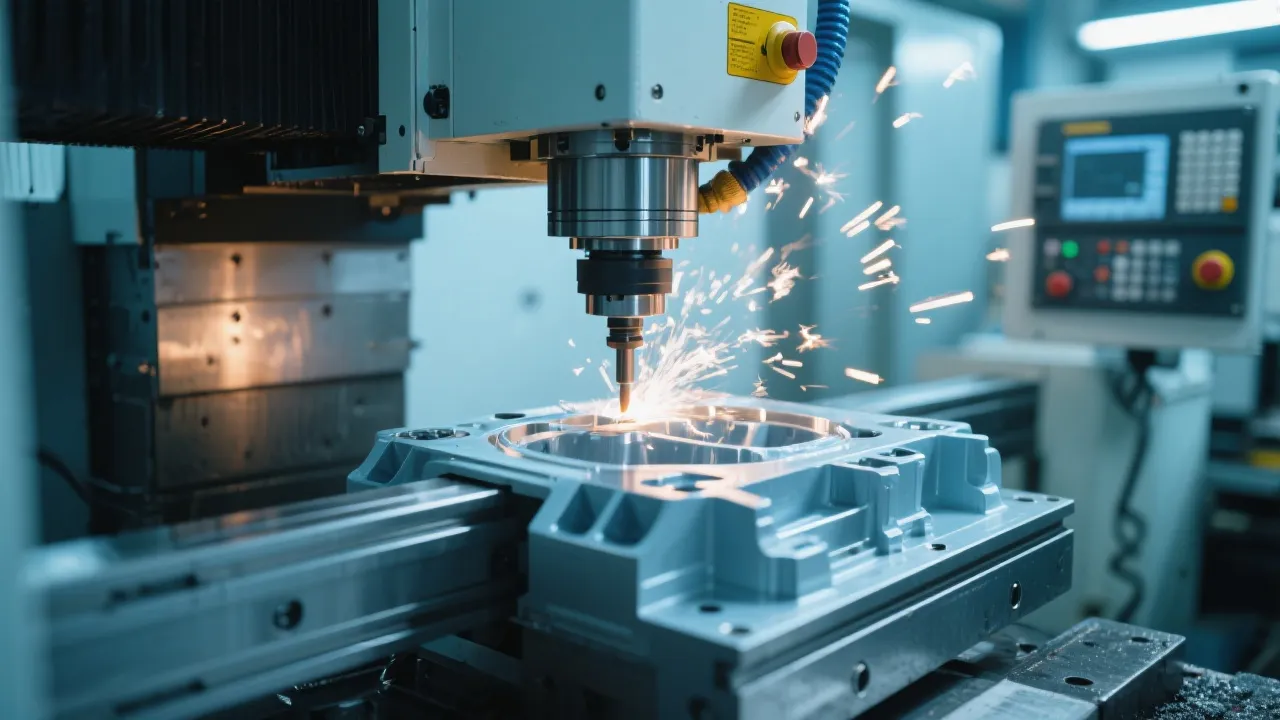
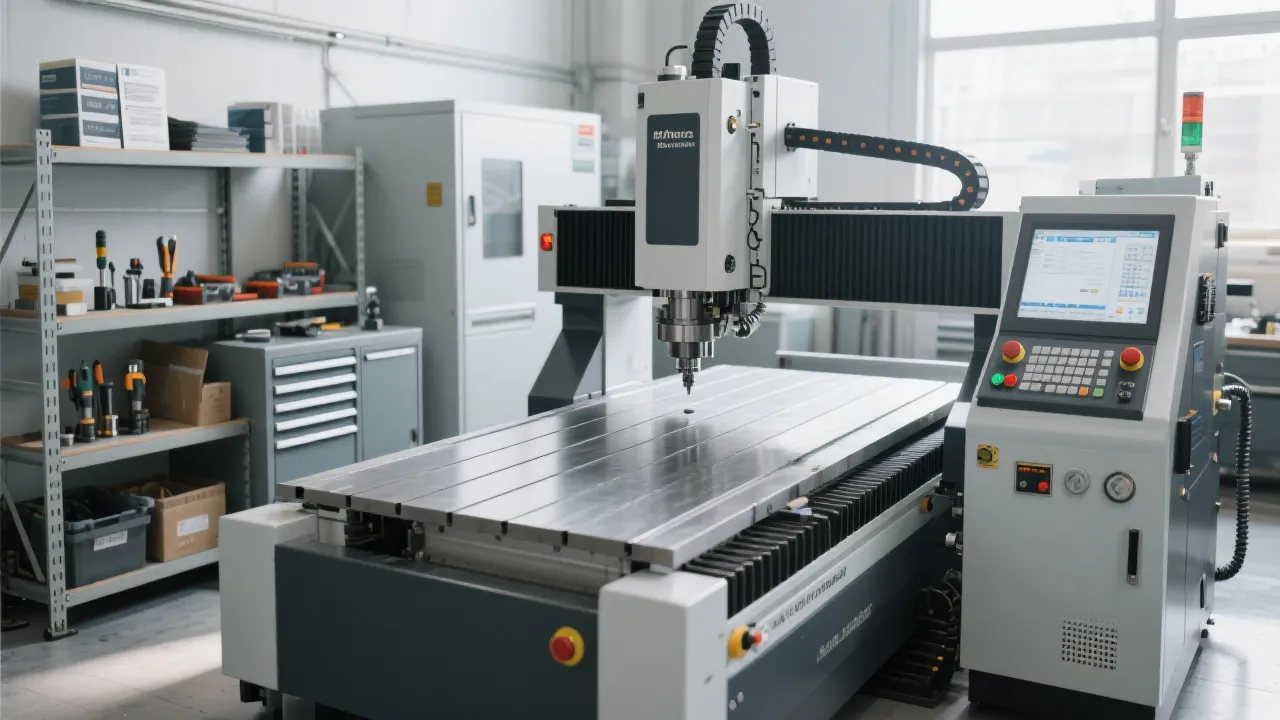
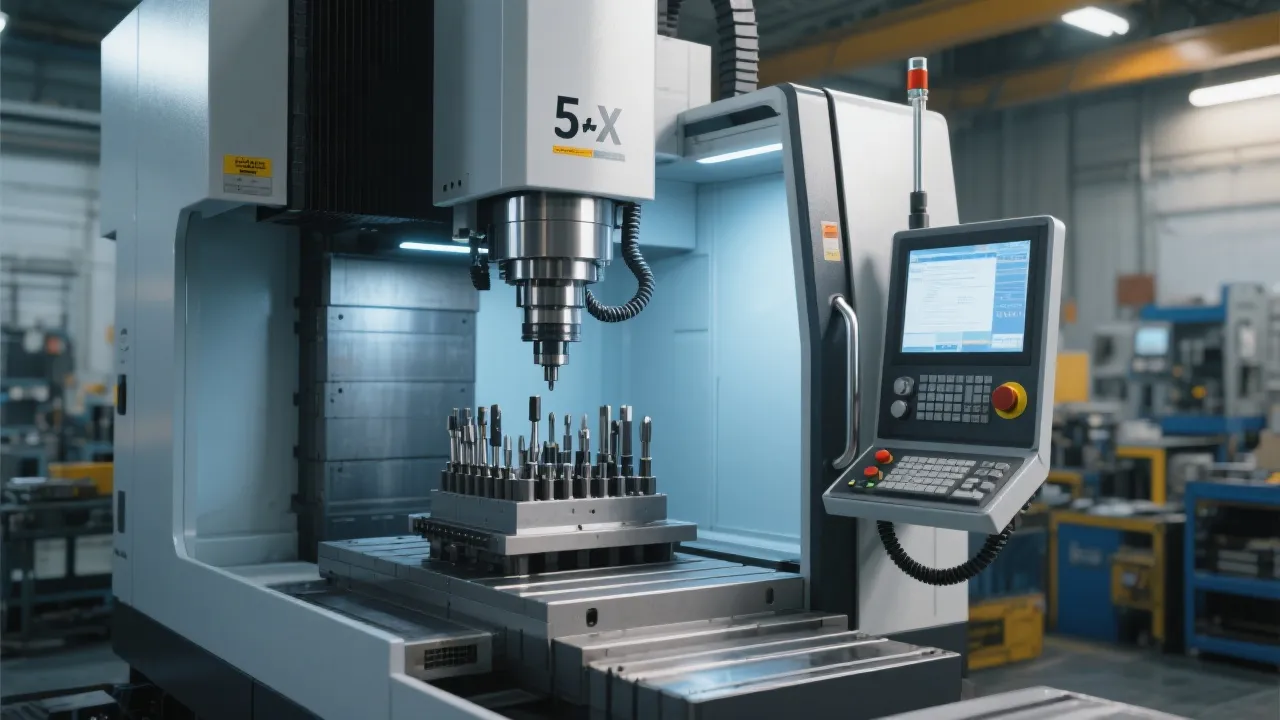
A CNC engraving and milling machine represents a specialized category of computer numerical control equipment engineered to perform both precision engraving and milling operations. Unlike conventional machining centers, these machines integrate high-speed spindle technology with advanced motion control systems to deliver exceptional accuracy on complex workpieces.
The technical foundation of these machines is defined by:
CNC engraving and milling machines excel in scenarios demanding both detailed surface work and structural machining. Key applications include:
Producing intricate parts for electronics, medical devices, and aerospace components requiring fine detail and tight tolerances.
Creating complex mold cavities, electrodes, and die components with detailed surface textures and precise geometries.
Manufacturing lightweight structural components and decorative trim pieces with both functional and aesthetic requirements.
Understanding the operational differences between CNC engraving and milling machines and conventional machining centers is critical for selecting the optimal equipment for specific manufacturing requirements:
| Performance Parameter | CNC Engraving and Milling Machine | Conventional Machining Center |
|---|---|---|
| Spindle Speed | 10,000-60,000 RPM (high-speed) | 6,000-15,000 RPM (moderate-speed) |
| Cutting Force | Lower force, optimized for precision detail | Higher force for heavy material removal |
| Tool Compatibility | Smaller diameter tools (0.1-12mm) | Larger diameter tools (3-50mm+) |
| Primary Application | Precision engraving, fine milling, surface details | Heavy material removal, roughing operations |
| Material Thickness | Ideal for thin to medium workpieces | Handles thick, solid workpieces |
As the developer of China's National Standard for CNC Engraving and Milling Machines, Ningbo Kaibo CNC has played a pivotal role in defining industry benchmarks for precision, safety, and performance requirements in this specialized equipment category.
CNC engraving and milling machines offer several distinct advantages that make them indispensable in contemporary production environments:
Choosing between a CNC engraving and milling machine and a conventional machining center depends on several critical factors:
For over two decades, Ningbo Kaibo CNC Machinery Co., Ltd. has been at the forefront of CNC engraving and milling technology, providing innovative solutions to manufacturers worldwide. As the National Standard developer, our expertise ensures that customers receive equipment optimized for their specific application requirements, backed by comprehensive technical support and service through our global network of 26 sales and service offices.